
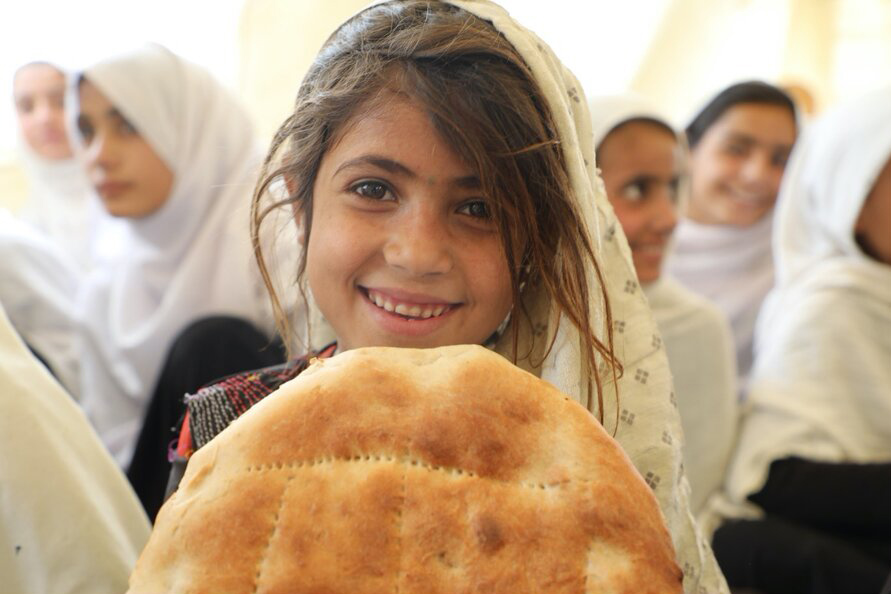
WFP is designing programmes to support Afghanistan's smallholder farmers and feed children at the same time. The Bread+ project, pictured, gives children midday snacks and will grow to work with 1,100 local bakers by September. Mary-Ellen McGroarty, World Food Programme country director for Afghanistan, explains why donors - whose help averted famine over the winter - must continue their support.
WFP
The Global Network Against Food Crises releases the latest findings on the number of people facing acute hunger and malnutrition. It also provides an analysis of the drivers that are contributing to food crises, including conflicts, extreme weather events and economic shocks, as well as COVID-19-related economic effects. While it does not include the impacts of the war in Ukraine, it exposes the interconnected nature and fragility of global food systems, with serious consequences for global food and nutrition security.
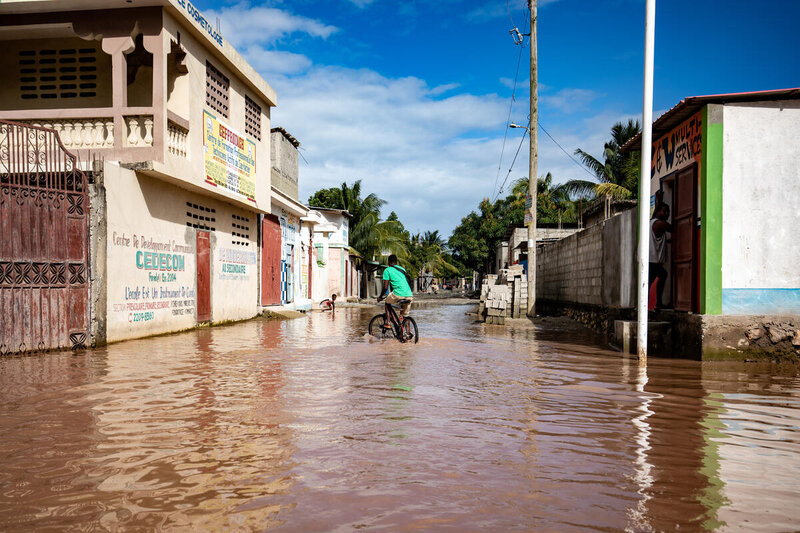
It is still possible to solve the climate crisis. But time is short. We must invest in our planet now to protect people, livelihoods and our futures. WFP works with communities in Haiti to build resilience to climate shocks by creating, rehabilitating and modernising community resources. In 2021, 80,000 people in six departments benefitted from resilience activities. This included 73,000 trees planted and 2,500 metres of flood protection dikes and 6,264 meters of drainage canals rehabilitated.
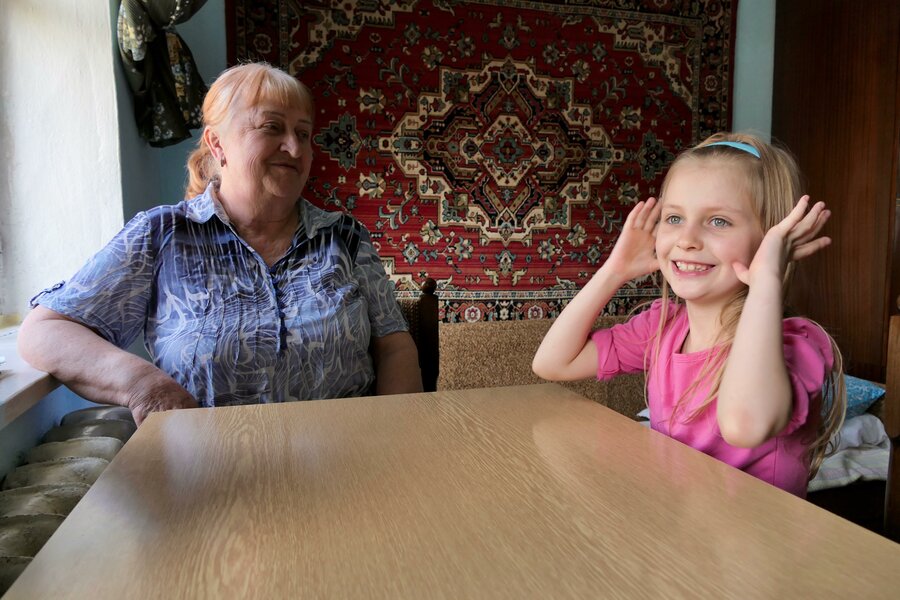
Vera is among families in Moldova receiving cash grants from the World Food Programme (WFP), for taking in refugees from Ukraine. Seven-year-old Eva travelled for two days by bus from Odesa, with her mother and brother, when fighting escalated close to home. After living alone for 40 years, their new host, Vera, says she is more than happy to open up her home to the new family. There, in a suburb of Chisinau, Moldova's capital, Vera has been giving Eva gardening lessons. “I taught Eva to grow tomatoes, so she has a project, but I hope she never gets to taste them,” says Vera. “It would be a shame if she's still here when they are ready for harvest. She should be at home.”

Six international football stars – including the first Syrian refugee to play in the German Bundesliga – are joining forces with the World Food Programme (WFP) and the UN Refugee Agency (UNHCR) to raise funds for people fleeing conflict in Ukraine. The video appeal includes players from across the UK’s Premier League, the Bundesliga and the French Division 1 Féminine, accompanies by music from WFP Goodwill Ambassador The Weeknd. UNHCR and WFP’s global #football4ukraine appeal comes at a time when almost a quarter of Ukraine’s population – more than 10 million people have been forced from their homes. WFP is building a massive operation to provide food for civilians trapped in major cities and assist others impacted by the conflict who have fled to neighbouring countries. This little girl is enjoying mealtime at a school serving as a reception centre for Ukrainian refugees in Moldova.
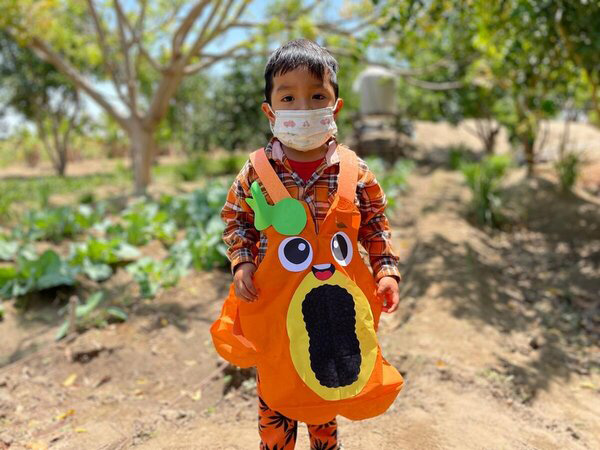
In the Sechura desert, on Peru’s northern coast, several hours away from the main roads, hundreds of families survive hand-to-mouth. Drinking water is unavailable, and nutritious food is scarce – and expensive. Or, at least, it was. Thanks to a project backed by WFP, families share a 900-metre plot of land where they farm organic vegetables and raise farm animals. A drip irrigation system, installed with WFP’s support, allows for efficient use of underground waters, which the families can access through a communal reservoir. Families can now keep part of their harvest and sell the rest.


Along with $500,000, The Weeknd is also donating $1 to WFP from each ticket sold for his forthcoming After Hours Til Dawn tour, to pull 44 million people back from the brink of famine.
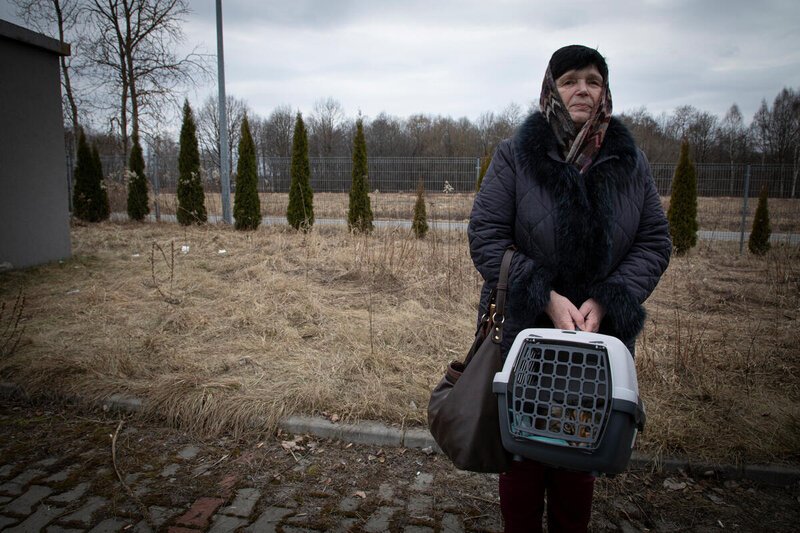
The World Food Programme is calling for US$570 million as it kicks off an emergency response to the Ukraine crisis. The organization is putting critical supplies in place as the UN says more than a million refugees have crossed into neighbouring countries. Ljudmila, 70, could not bear to leave her cat behind as she embarked on a six-day journey to Poland. WFP is working with UNHCR, the UN Refugee Agency, to assist 300,000 people outside Ukraine’s borders.
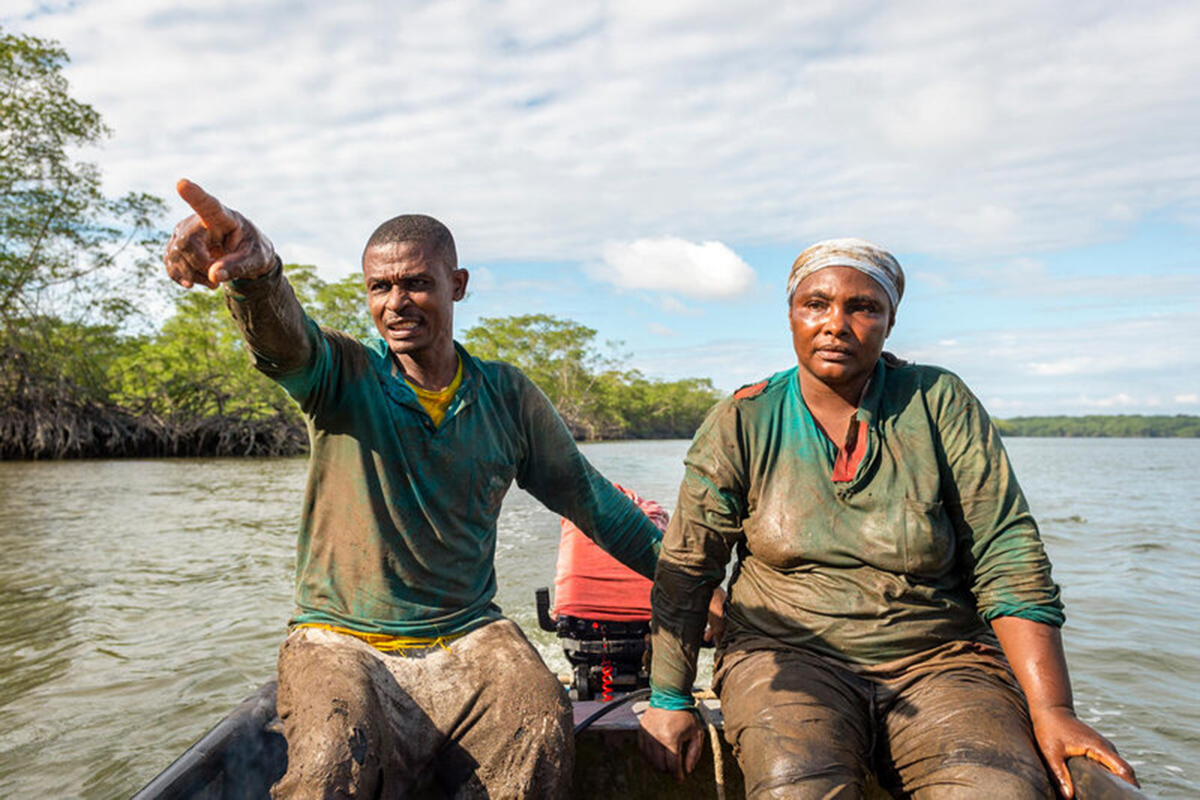
The climate crisis is destroying lives and livelihoods all over the world. Emission reductions to mitigate the rise in global temperatures are crucial, but we cannot wait for this to happen. Communities on the frontlines of the crisis need urgent support to adapt. And the World Food Programme (WFP) is doing just that! Here are some of the ways WFP is working with some of the most vulnerable communities to adapt to one of the greatest threats humanity has ever faced.
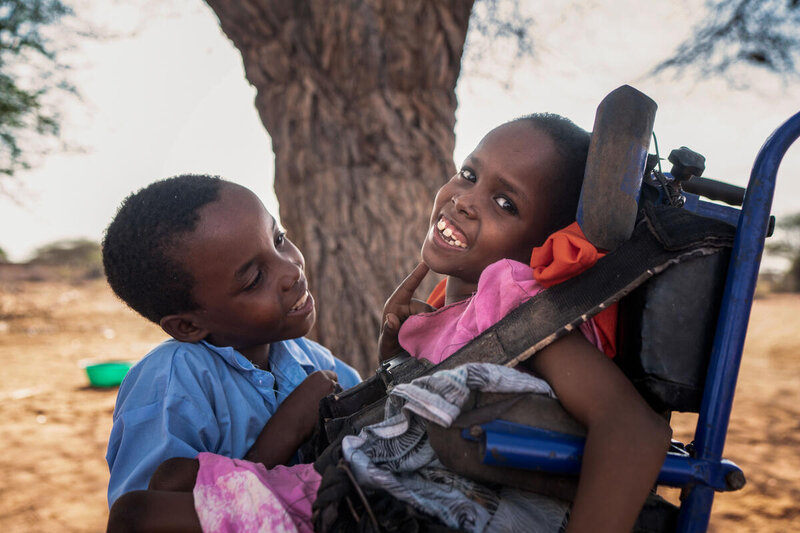
Ikran, shown here with her doting twin brother Hassan, is eight years old. She lives with her family near Wajir town, capital of one of Kenya’s poorest counties – the country is grappling with hunger caused by the severe drought in the Horn of Africa. She receives a disability allowance from a programme supported by WFP that allows her mother, Halima, to buy her the foods that suit her needs best. Ikran is quadriplegic and Adan, her older brother, is also disabled. To support her children, and her retired husband, Halima, makes and sells mandazi – a popular fried dough snack – in the school canteen. She also runs a small kiosk next to her hut. “Before disability cash transfers, life was very stressful,” she says. “Feeding a large family of nine children, two of whom need 24-hour care, on a meagre income was very challenging.”

This week WFP launches its Regional Drought Response Plan for the Horn of Africa, calling for US$327 million to respond to the immediate needs of 4.5 million people and help communities become more resilient to extreme climate shocks. The money is for emergency response, with a proportion to continue to build capacities of communities and individuals to meet their own needs.
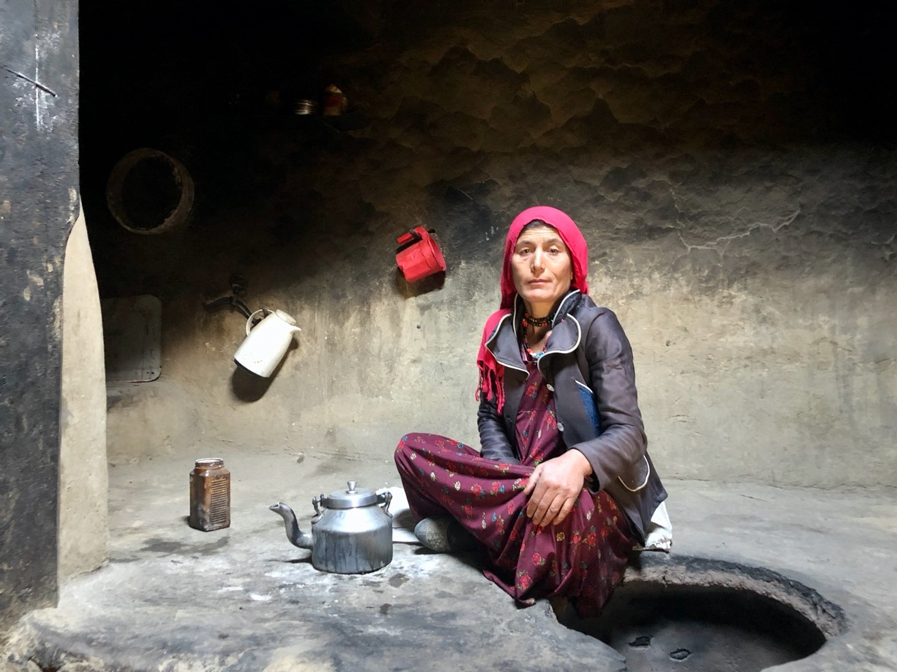
Almost overnight, Asia’s most fragile economy has collapsed, leaving people jobless or with unpaid salaries and without access to their savings. Prior to that, 11 million Afghans were already food insecure due to years of drought, conflict and COVID-19. Now almost 23 million people, more than half the country, don’t know where their next meal is coming from and we see clinics filling up with severely malnourished children. It is the unveiling of a tragedy in real time. WFP has scrambled to pre-position food in rural areas before the imminent winter snows make the roads impassable. But rather like outrunning an avalanche, the surge in hunger threatens to overcome the convoys of trucks snaking up mountain paths loaded with food.
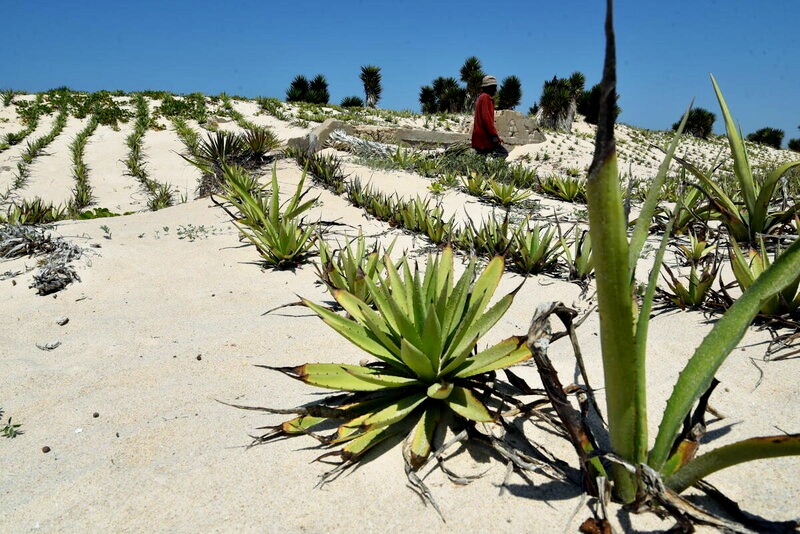
The World Food Programme (WFP) is working on a sand dune-fixing project. Since 2017, WFP has helped fix 36,200 hectares of sand dunes in southern Madagascar. This involves planting three kinds of flora whose roots sink into the sand and stop dunes from moving. But sand and wind movements are not the only symptoms of extreme weather, worsened by climate change. The sea is changing and fishing conditions have deteriorated. WFP is considering extending this project to other coastal areas in the country.
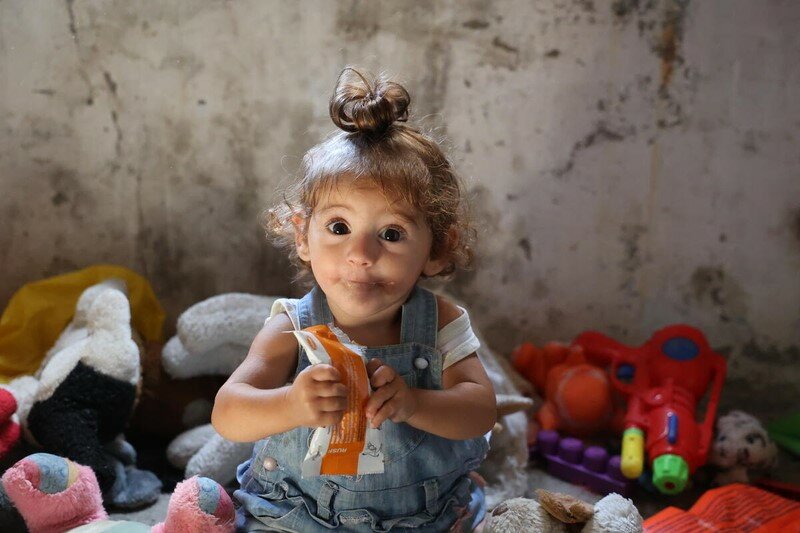
One-year-old Tara from Latakia was malnourished from birth. After receiving treatment from WFP she’s putting on weight and gaining strength. As more Syrians than ever before wondered how they would make it through each day with empty refrigerators, shrinking portions and markets full of produce they could no longer afford, the World Food Programme reached 5.7 million people with food assistance.