
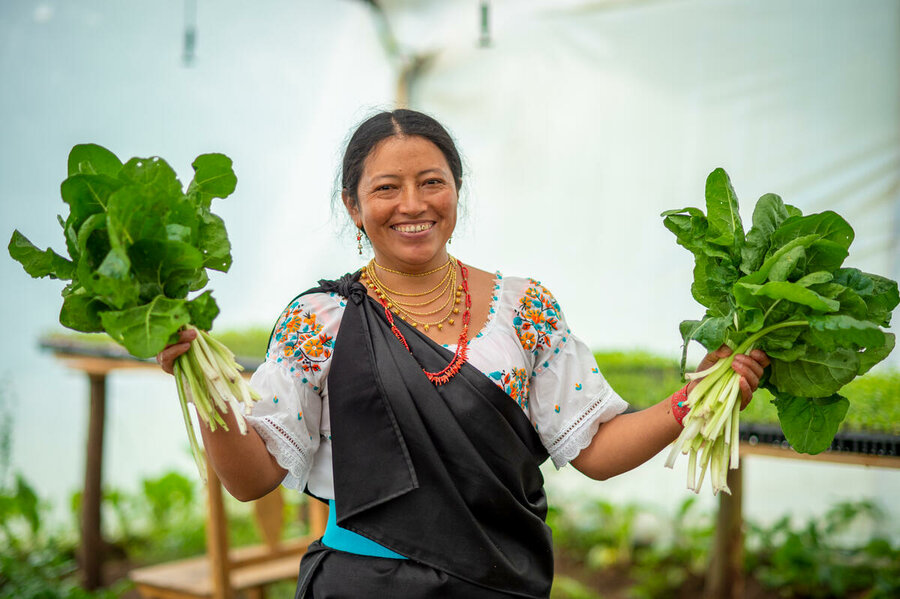
Indigenous women like this Ecuadoran farmer have precious ancestral knowledge about growing and using traditional foods. They are the backbone of their families and communities — and make up roughly one-eighth of Latin America’s rural population. Even more crucially, perhaps, they keep and transmit precious ancestral knowledge on growing and using traditional foods, whose importance is only now being recognized. Yet the vital role the region’s Indigenous rural women play in their communities and society is very seldom acknowledged, much less celebrated. WFP helps to support Indigenous rural women to overcome historic barriers, fully harness the ancestral wisdom they carry, and contribute on an equal footing to the life of their communities.
WFP

Weeks of heavy rains and floods have affected 5 million people in 19 countries across West and Central Africa, killing hundreds, displacing tens of thousands and destroying many hectares of croplands. WFP is working with governments to support flood-hit communities. The UN agency’s emergency assistance provided through food and cash distributions, keeps vulnerable families afloat amid a broader economic downturn, as the war in Ukraine feeds skyrocketing food, fertilizer and fuel prices. WFP is also rolling out programmes that allow governments to better prepare and recover from future floods and other weather disasters, which will likely become more devastating and frequent with climate change.
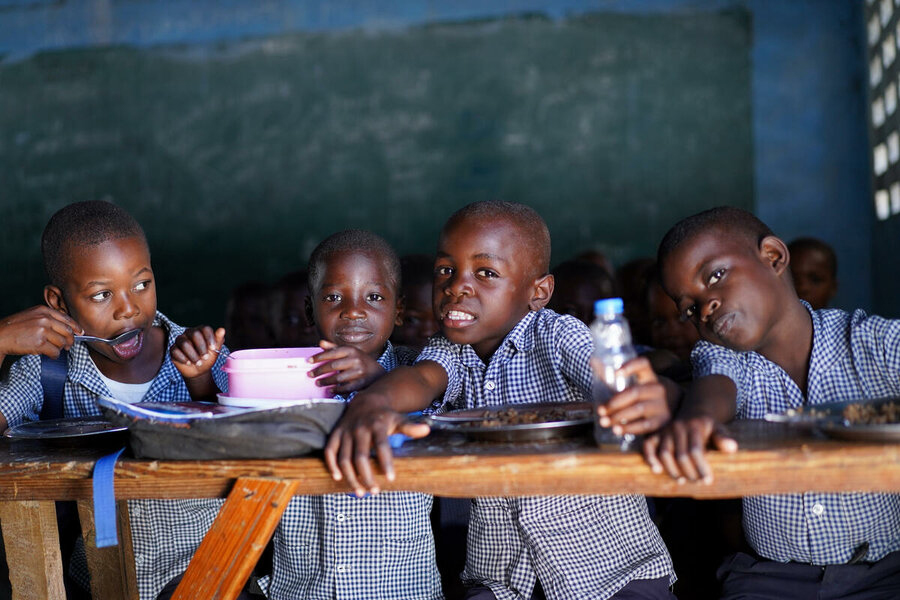
Haiti is on the shortlist of acutely hungry countries. WFP needs more support from UN member states to further facilitate humanitarian access and protect humanitarians and assets.
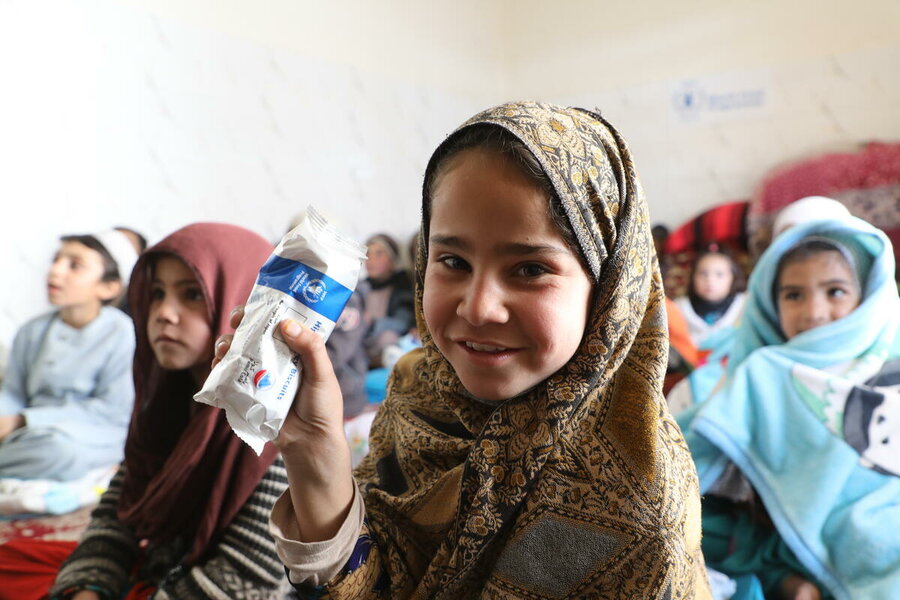
More than a year after foreign forces withdrew and the Taliban took power across the whole of Afghanistan, the country’s economy has withered and development aid and assets are still largely frozen. Millions of families have almost no way to cope with another harsh winter. Indeed, WFP is one of the last remaining barriers between Afghanistan and famine. But the strength of our hunger barrier will depend on donor generosity. WFP urgently needs US$1.1 billion to continue delivering food and nutritional assistance for the next six months to 18 million acutely food-insecure Afghans.
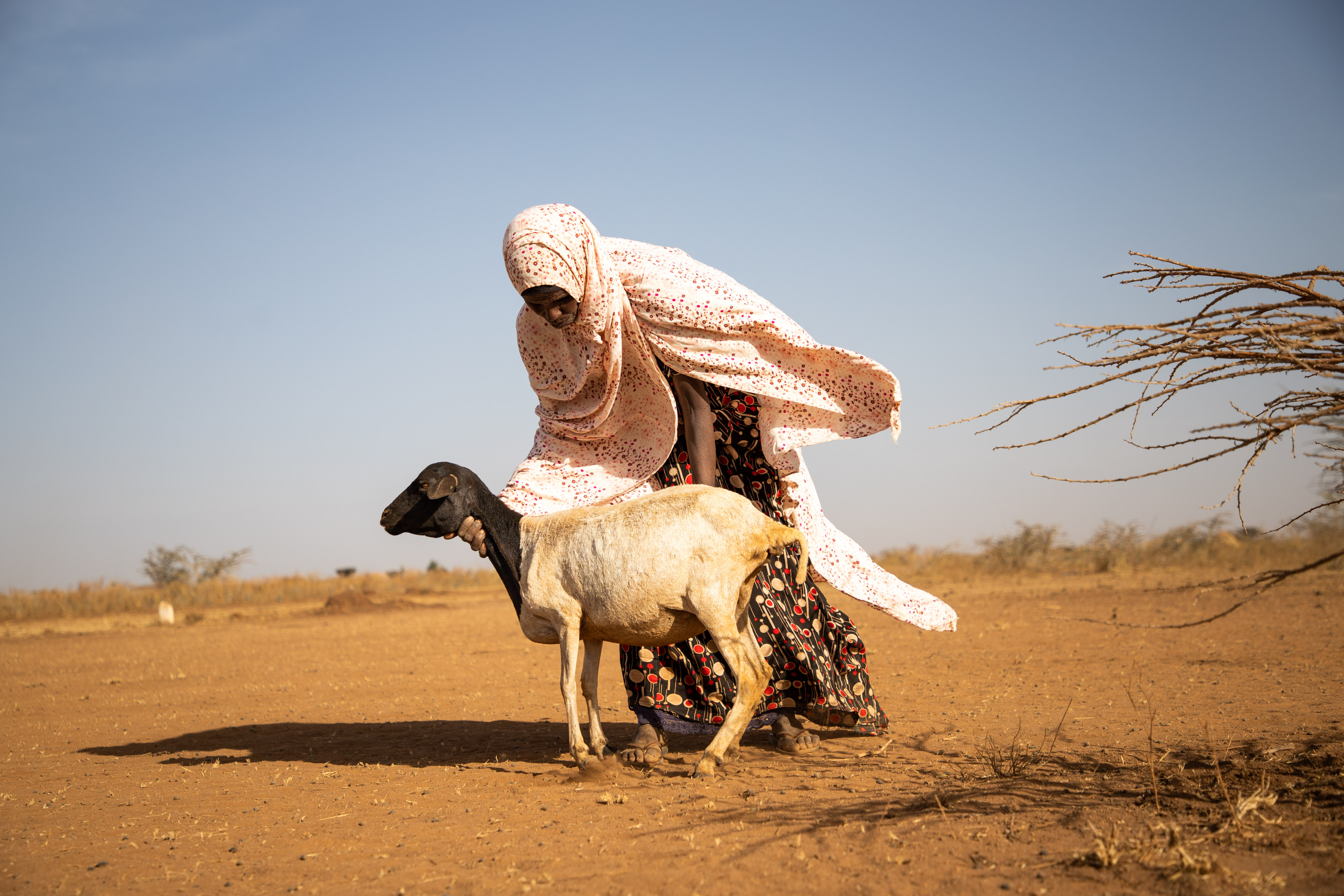
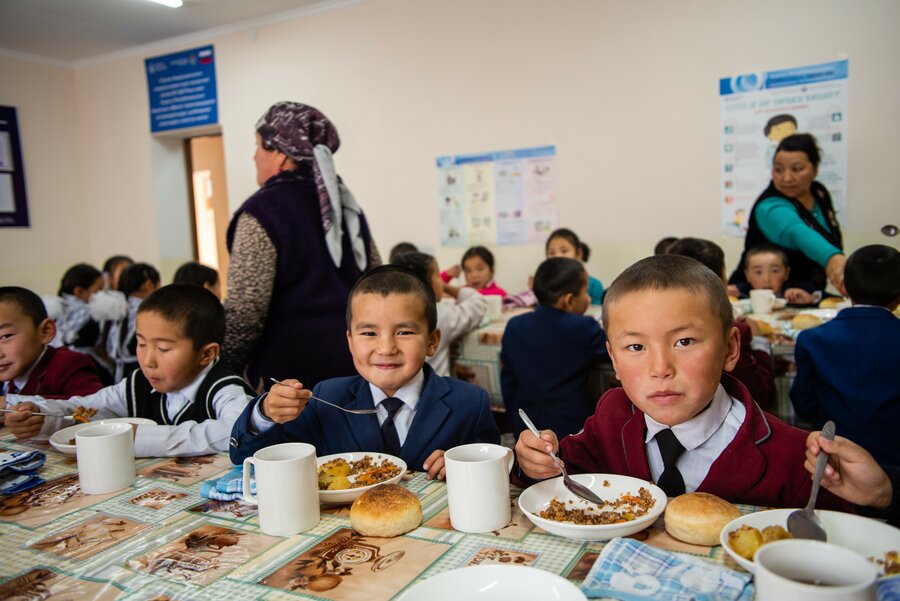
WFP is the world's largest humanitarian agency, assisting 115.5 million people in over 120 countries and territories. Each day it has up to 5,600 trucks, 30 ships and 100 planes on the move, delivering food and other assistance in some of the most remote and challenging parts of the world. It is the frontline UN agency responding to emergencies caused by conflict, climate shocks, pandemics, and other disasters, tackling ongoing emergencies in over 20 countries or regions. WFP also provides school meals to 15.5 million children, improving both their nutrition and their access to a potentially life-changing education. Read the article to find out more about the UN agency.
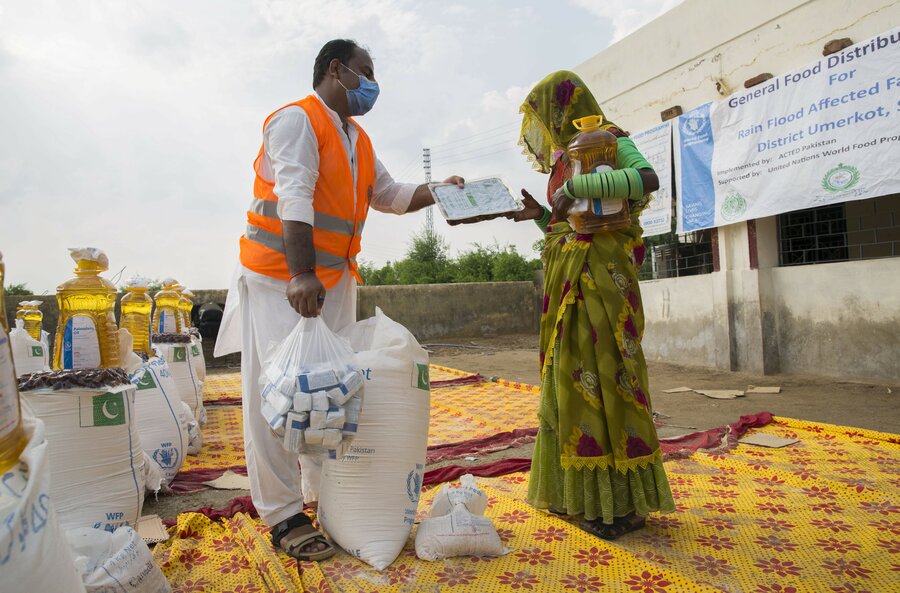
The World Food Programme (WFP) is rapidly expanding its food assistance support in Pakistan as the Government takes stock of floods which have killed nearly 1,000 people and displaced 33 million.
Through its National Disaster Management Authority, the Government – which has declared a national emergency – is leading the response in coordinating assessments and directing humanitarian relief to flood-affected people. For their part, UN agencies such as WFP are providing “augmented information, together with the Government, to ensure … we have greater verification of exactly who should avail themselves of that cash”. Read the full article.
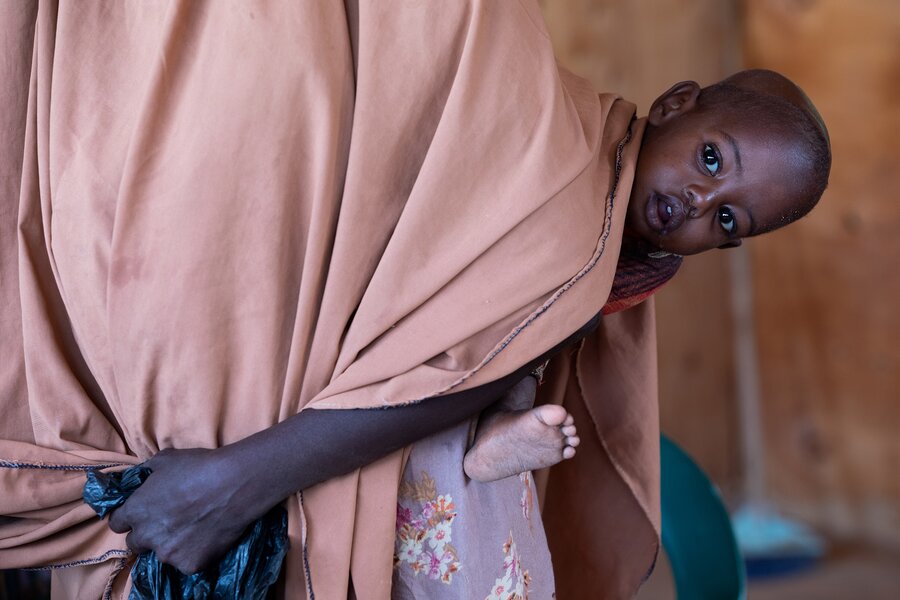
The drought in 2011 led to widespread famine across the Horn of Africa. Now, the risk of famine looms over Somalia again. With conflict compounding the climate crisis in the country, thirst and hunger are driving people to make perilous journeys on foot to reach safety. WFP has drastically scaled up the food and nutrition assistance that it provides in Somalia. The UN agency is now reaching more people than ever before - over 3.5 million in June alone. But as the drought continues, the numbers of hungry people keep growing with over 7 million people facing critical food insecurity.
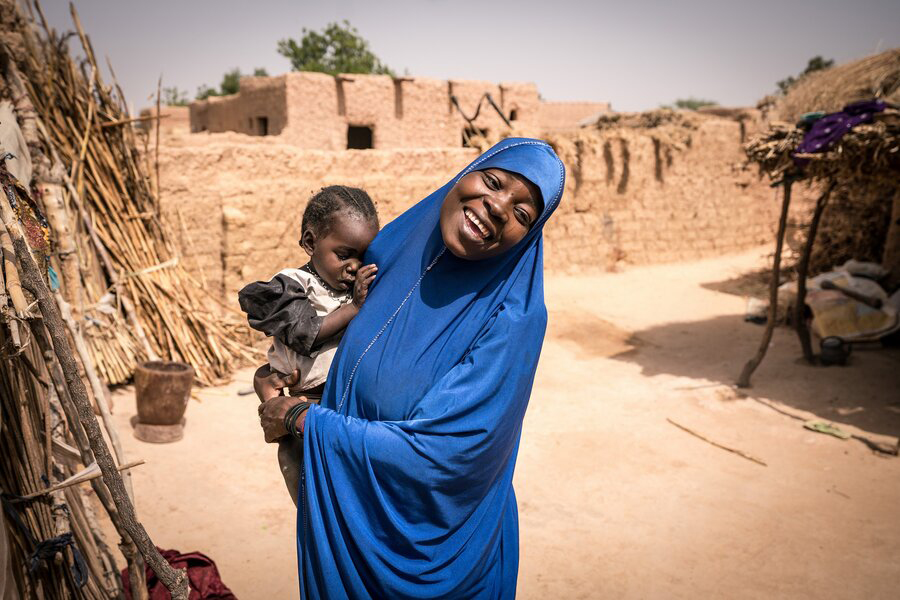
At a time when at least one in three children aged under 5 is affected by malnutrition, breastfeeding remains a critical way to help babies and young children meet their nutritional needs. In responding to a global hunger crisis in a year of unprecedented needs, the World Food Programme supports breastfeeding across the world, supplying pregnant and breastfeeding women with specialized nutritious foods to prevent and treat malnutrition. WFP provides nutrition training to mothers and their communities on what is very literally a lifeline – breastfeeding helps to provide immunity against diseases, serving children well beyond their earliest days.

The effects of the climate crisis can be overwhelming. But as the World Food Programme warns of a global food crisis and calls for US$22.2 billion to reach 152 million people this year.
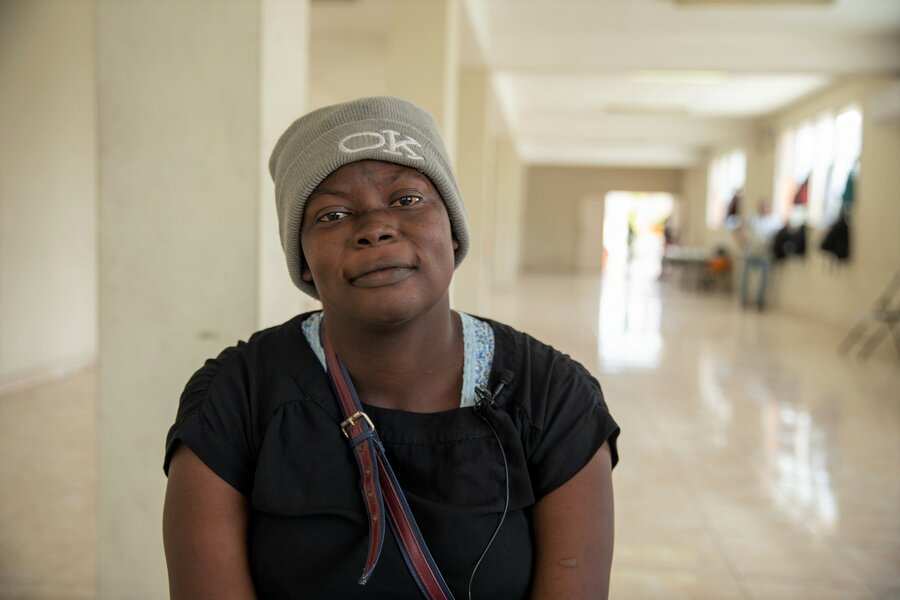
Food security is caught in the crossfire in Haiti as people reel from gang violence alongside rising prices, climate shocks and the Ukraine-crisis ripple effect. 1.3 million Haitians are at risk of severe hunger. WFP has assisted more than 62,000 people with emergency assistance in the metropolitan areas this year, with over US$4.1 million in cash assistance. It plans to assist a further 145,000 in the coming months. Since mid-May, the agency has provided 44,000 hot meals to families who have been displaced by gang violence.

In 2021, extreme weather events and natural hazards cost the world US$ 343 billion in economic losses. Of these losses, only 40 percent were compensated by an insurance policy. When families can't afford insurance, they have few coping strategies available when disasters strike. In a sudden emergency such as a flood, families can be forced to make tough choices, such as selling assets and livestock. Insurance from WFP helps families to buy food, meet their immediate needs and rebuild their lives.
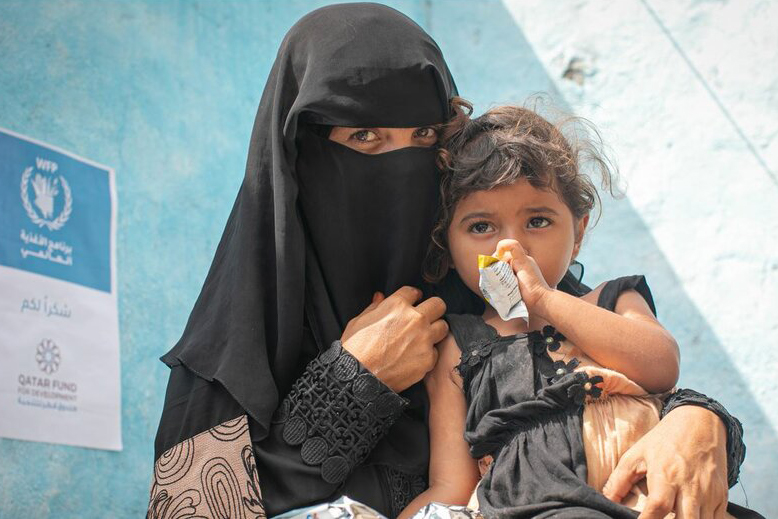
Soaring global food insecurity is putting 750,000 people, in five countries, at immediate risk of ‘starvation or death,’ according to the latest Hunger Hotspots report, published by the World Food Programme (WFP) and the Food and Agriculture Organization (FAO). Food insecurity is expected to worsen in countries that form part of what WFP calls a 'ring of fire' creeping across the globe, with the Democratic Republic of Congo, the Sahel region and Syria among the 20 hotspots highlighted in the report. Conflict in Ukraine – which is listed as a hotspot – has triggered not only the biggest humanitarian crisis this century but also a global spike in fuel and food prices. Hunger Hotspots includes recommendations for every country on two fronts: emergency response to save lives and anticipatory actions. Both require donor support.
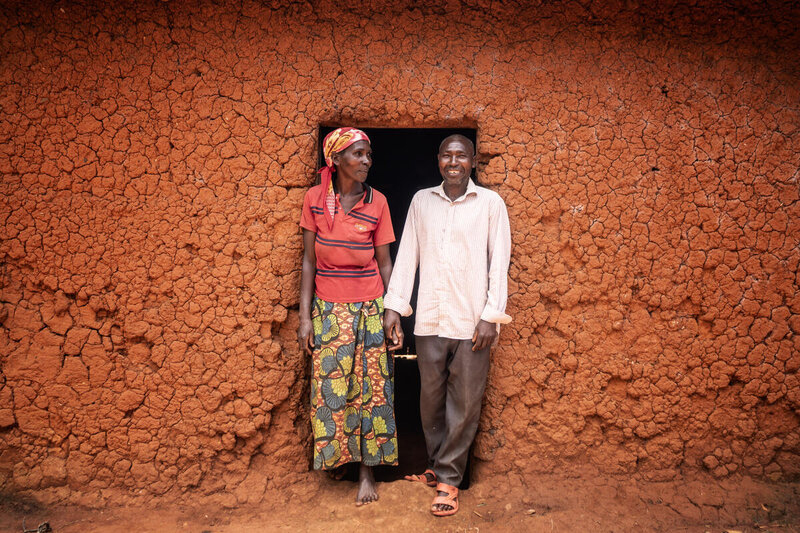
Two decades ago, Jean Nkeramihigo and Francine Kanyana moved to the commune of Vumbi, in Kirundo, Burundi, in search of land so they could start their own farm and bring up a family. Twenty years later, the couple's life is different from what they hoped for due to climate change. Like other vulnerable families in Kirundo, Jean, Francine and their 12 children rely on humanitarian assistance and paid labour to survive, sometimes with only one meal per day. The couple were among the 40,000 vulnerable people assisted in April 2022 by WFP to help them to meet their basic food needs.