WFP

Cindy walks with several others infront of a helicopter marked with the acronym WFP

“Our job is to give hope and help by giving food to those who really need it most. And that's what we do.”

World Food Programme (WFP) Executive Director Cindy McCain has many pressing reasons to lie awake at night. As Head of WFP, it is her job to make sure the millions of vulnerable people around the world who are relying on UN food assistance – from Gaza to Sudan to Afghanistan – don’t starve. In this episode, recorded four weeks into the war in Gaza, Cindy McCain reflects on finding hope in desperate situations, and raising her voice for the world’s forgotten millions.

Hunger is still one of the biggest – and most solvable – problems globally, causing 783 million people around the world to go to bed on an empty stomach every night.

“[Donation gaps mean] I'm taking food from hungry people and giving it to starving people. That's a heck of a decision to have to make.”

Photo: ©WFP/JulianCiviero
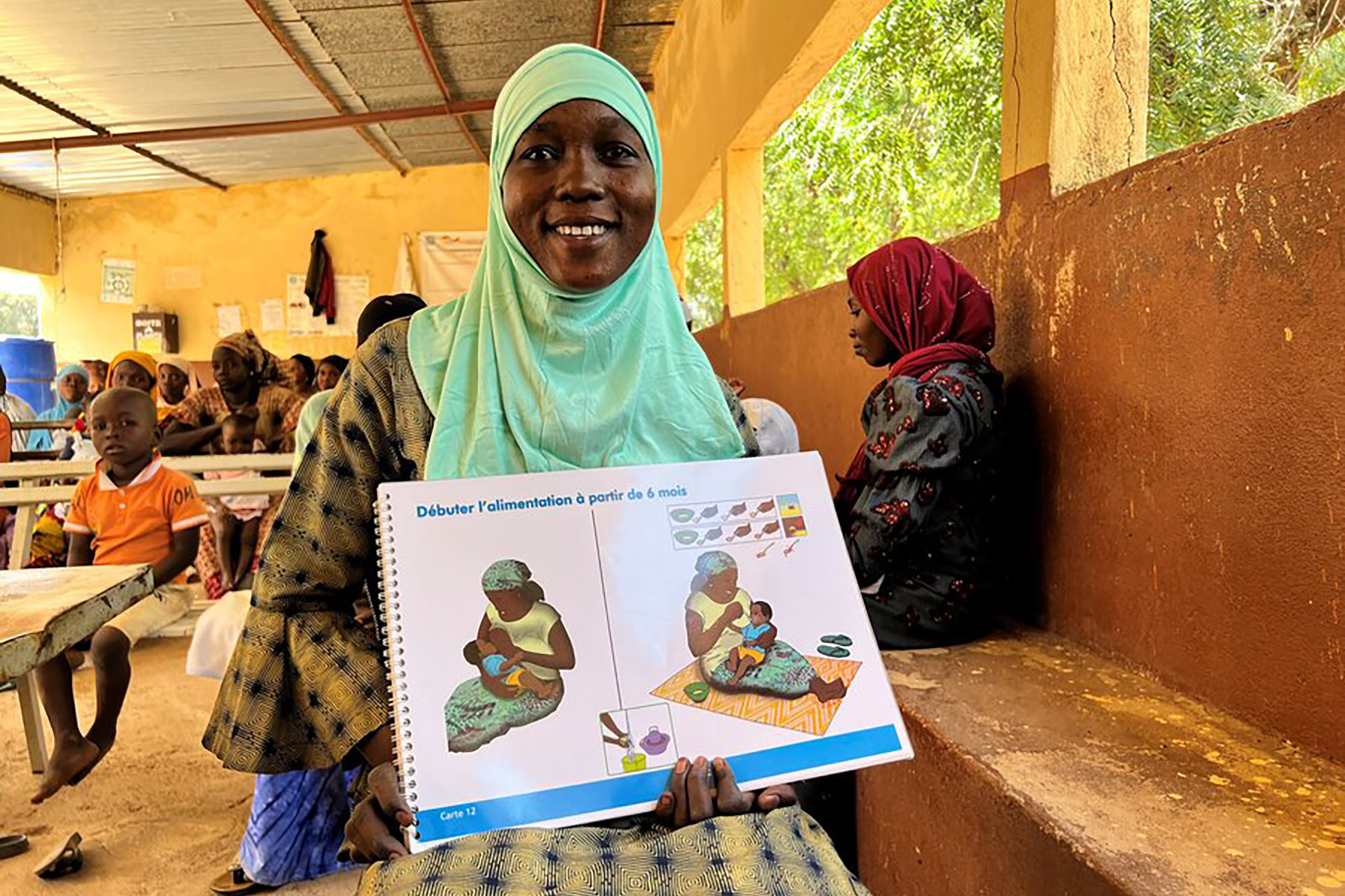
A Woman shows a book on healthy dietary practices for babies.

In the village of Dotembougou in central Mali, Atoumata Nimaga, a mother of three, is now a local volunteer leader who teaches other village women about healthy eating. Not so long ago, Atoumata faced hunger so severe that it threatened her unborn child. With the help of the World Food Programme, she was able to receive nutritious rations during her pregnancy. She is now part of a joint programme that helps families offset the negative effects of climate shocks and humanitarian disasters. The programme aims to put more than 38,000 women at the center of the development process, giving them the knowledge and tools to address the challenges many face.

Women with children waiting for food rations

In the past year, the World Food Programme (WFP) has suffered the worst funding shortfalls in its 60-year history: we raised just US$7.5 billion of our projected costs of US$23.5 billion. This has resulted in colossal reductions in the number of people we serve. With 333 million people facing acute hunger, we were forced to cut rations outright for millions of people in countries such as Syria, the Democratic Republic of the Congo, Haiti and Yemen, pushing families deeper into hunger. The tragic irony is that many of the places where WFP operates should not only be thriving, but producing food for people in other countries. At the beginning of 2023, Matthew Hollingworth, WFP's Country Director for Ukraine, summed it up neatly: “We’re delivering food assistance in one of the most fertile countries in the world. It’s perverse." Read details on these cuts here

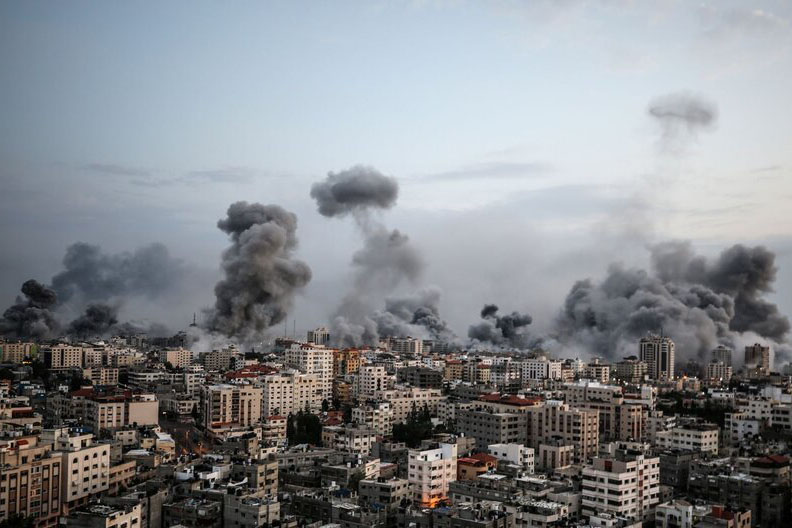
Gaza city being bombed

Hind Khoudary, bears witness to the suffering befalling Gaza and how she and others are surviving. Seven weeks of relentless bombardment has left 1.8 million people displaced and acutely hungry.

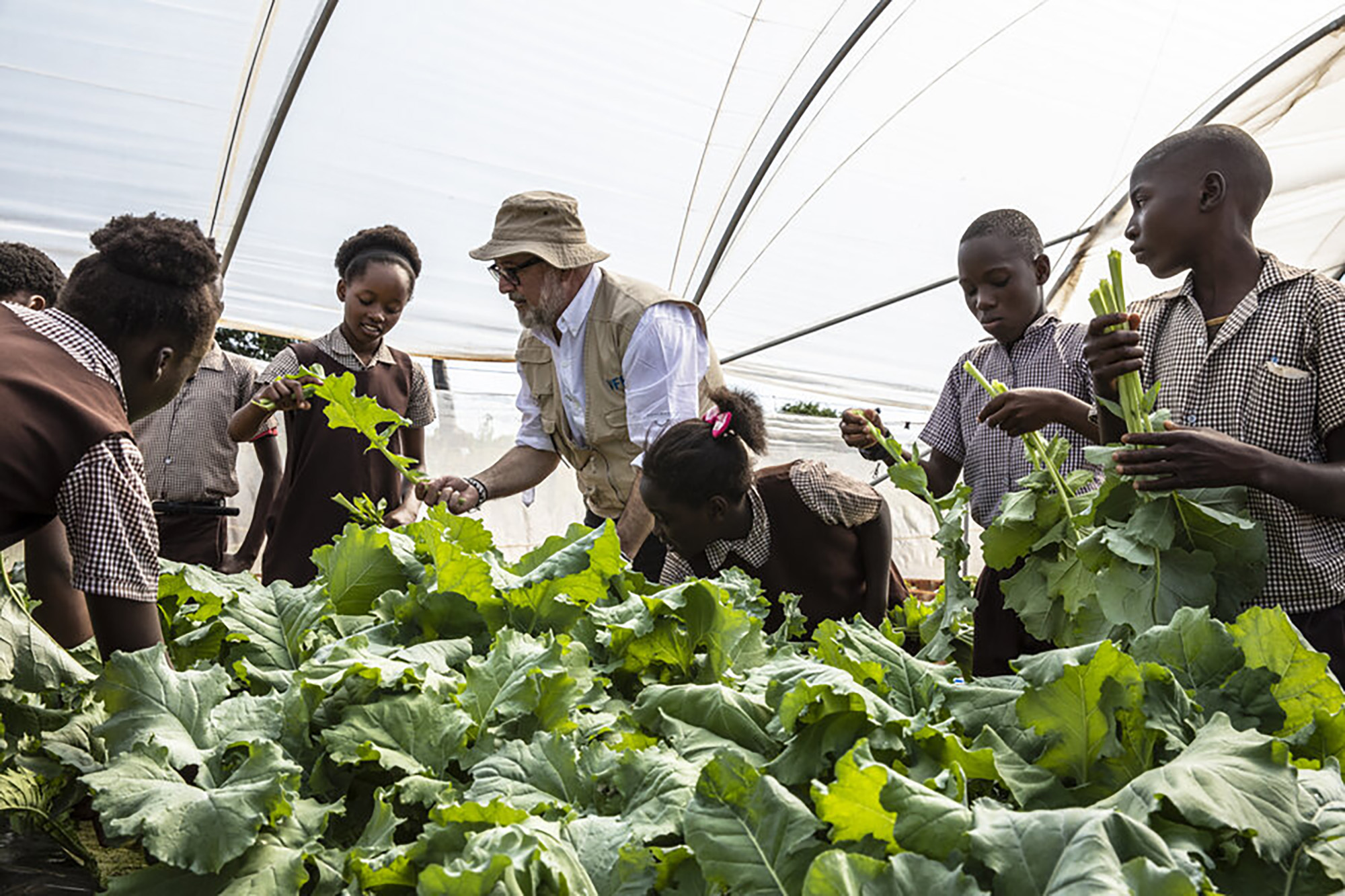
An American chef checks out the greens grown by a group of students at a Zambian primary school.

Andrew Zimmern, an award-winning American chef and World Food Programme (WFP) Goodwill Ambassador visited Gwembe Primary School in southern Zambia earlier this year to learn about sustainable growing practices. Zambia has been facing the challenge of building resilient and healthy food systems amid a deepening climate crisis. Buffeted by both floods but especially recurrent droughts, the southern African nation has seen its annual rainfall steadily decrease over the past decades — even as average temperatures are expected to soar by up to 3℃ by 2050. WFP is working with Zambian authorities and other partners to give farmers weather and climate information that can guide their choices about what and when to plant, and ways to diversify their livelihoods to better withstand climate shocks.

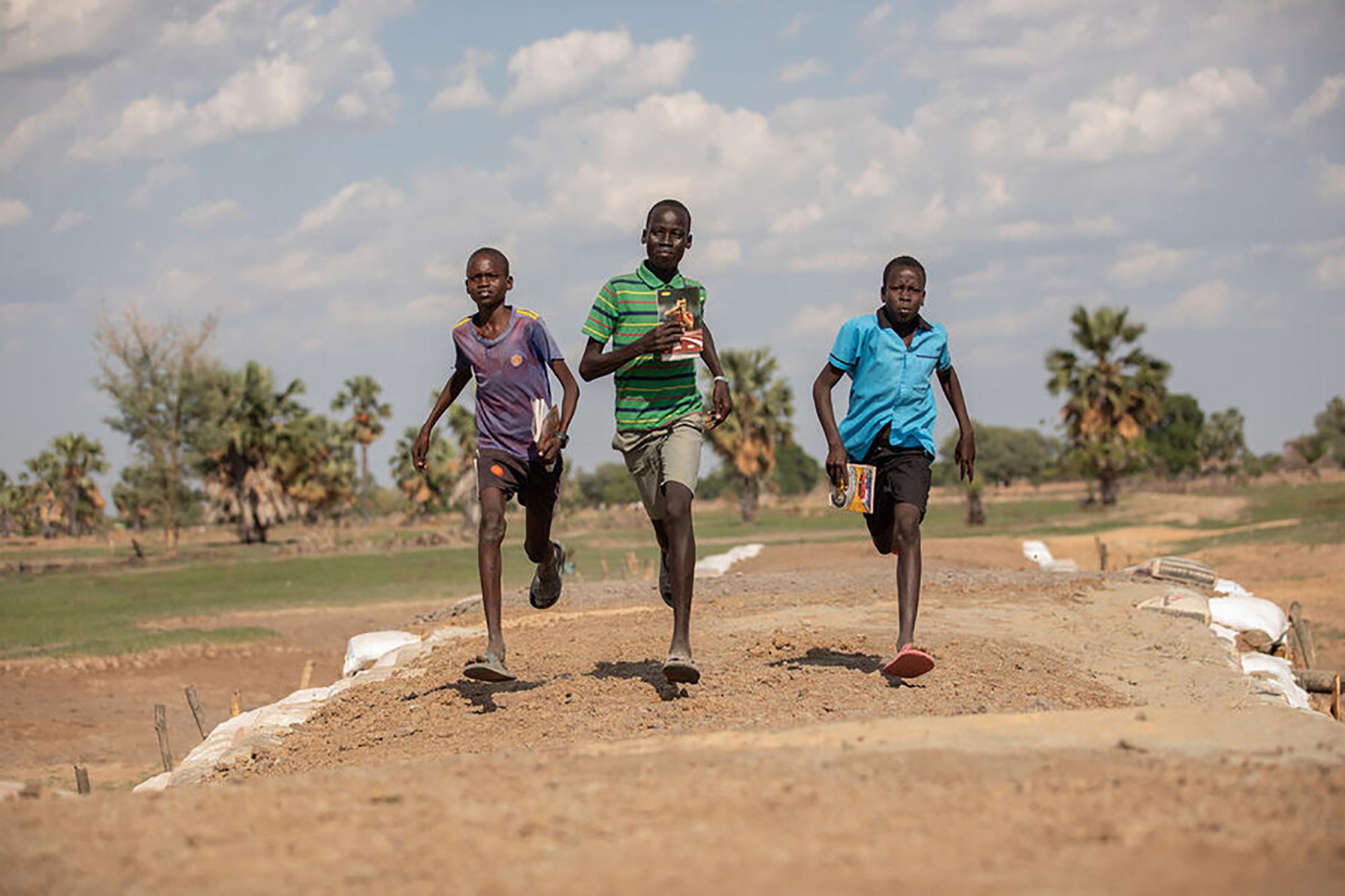
Three boys holding running over a dyke in South Sudan.

Putting food on the table is a challenge for millions worldwide, especially those who have to deal with the aftermath of climate disasters. Last year, the World Food Program assisted more than 15 million people in 42 countries, helping them withstand droughts, floods, storms, and other climate shocks. However, as climate impacts drove nearly 57 million people into hunger last year alone, many more people require protection. At COP28, world leaders must increase support for those affected by the worst climate disasters worldwide. This can be achieved through funding to strengthen local systems and capacities in conflict or fragile settings, enhancing loss-and-damage support, and transforming the systems that bring food to our tables.

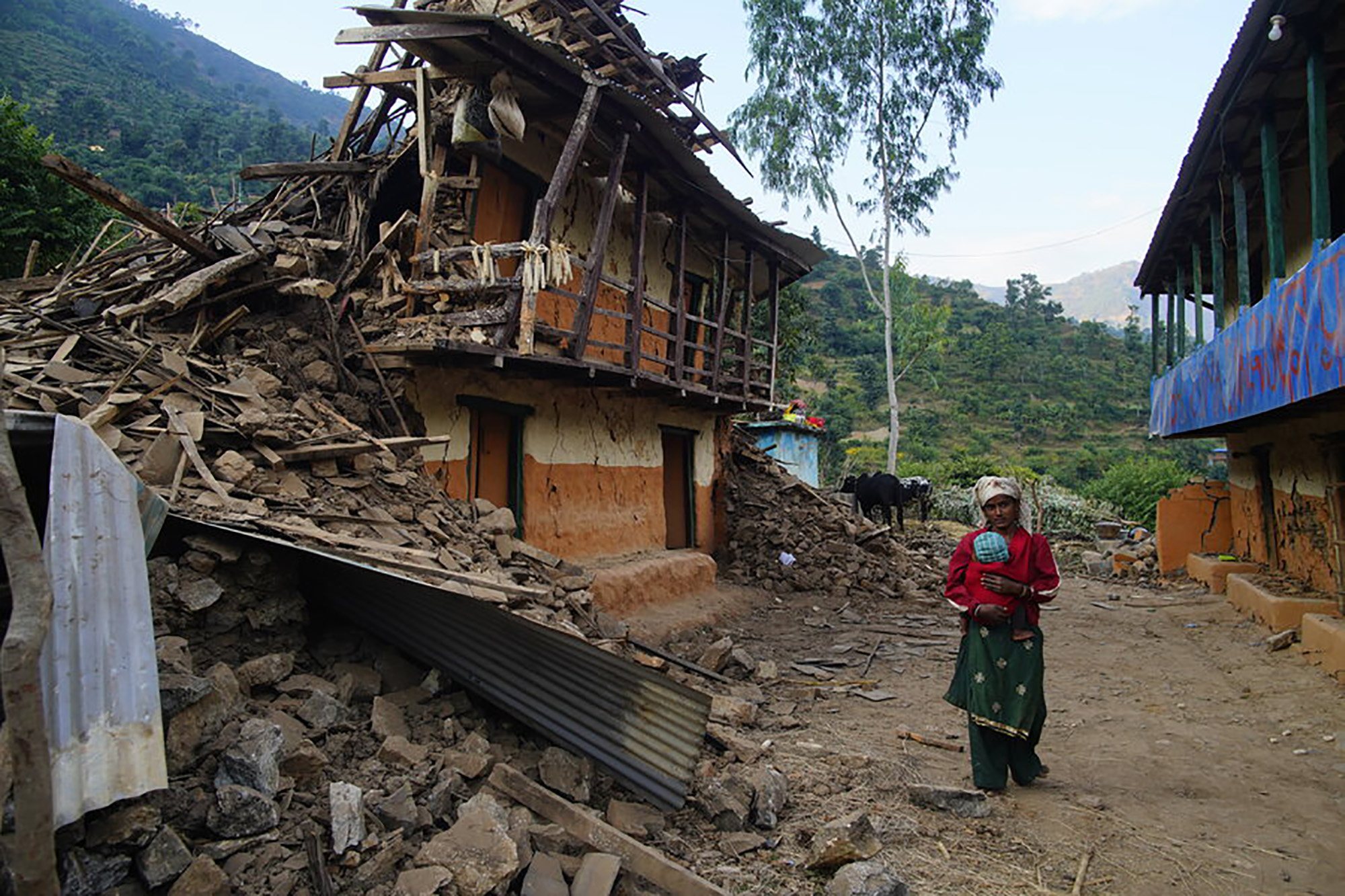
Two Nepal earthquake survivors walking past a house destroyed by the quake.

The mud structures housing some of Nepal's poorest people never stood a chance against the earthquake that afflicted Nepal on November 4. The survivors of the 6.4 magnitude earthquake, which killed 157 people in the country, are sleeping rough after their homes were destroyed. The World Food Programme is supporting the Government of the Asian country in mobilizing relief supplies for families who find themselves suddenly without their homes and belongings.

Children in Gaza eating WFP-provided food.

The latest Hunger Hotspots report, elaborated jointly by two UN agencies, highlights urgent humanitarian emergencies in 18 countries at risk of food insecurity and starvation. The conflict in Israel and Palestine has drawn attention away from other countries, including Burkina Faso, Mali, South Sudan, and Sudan, which are at risk of serious deterioration in food security. The report also warns of acute food insecurity in Palestine due to the escalation in conflict and recommends a ceasefire and access to aid delivery. Conflict remains a major driver of hunger globally, with the Sahel region experiencing instability and violence, resulting in a surge of fatalities.

Three weeks of near-constant bombardment in Gaza have left its entire population in desperate and catastrophic conditions. The World Food Programme is striving to reach over one million people for whom water and food are running out. One employee of the humanitarian organization describes the horror, the personal grief of losing at least seven family members and friends, her dreams for a better future, and why her work must go on in the face of it all.

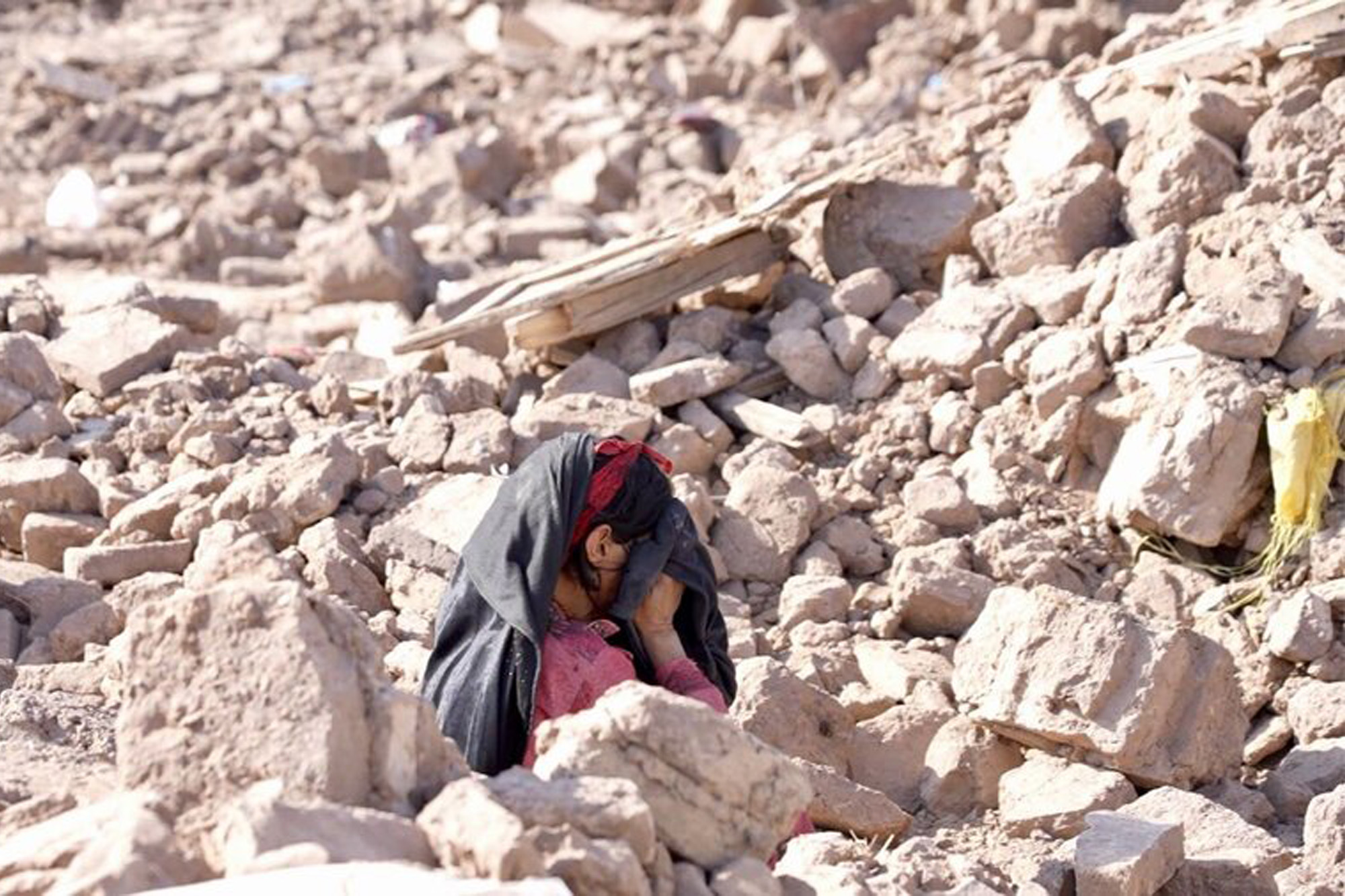
A grief-stricken woman in the rubble from the recent earthquake in Afghanistan.

After the recent earthquakes in Afghanistan, WFP has already reached nearly 34,000 survivors with emergency food assistance, which they began distributing within hours after the first quakes struck. The UN agency plans to deliver food and cash assistance to more than 100,000 people over the next three to seven months - and roll out longer-term resilience programmes to help them rebuild their livelihoods. WFP urgently needs US$18.8 million so that Afghanistan’s earthquake survivors can eat and rebuild from the country’s latest disaster, and US$400 million to help the most vulnerable survive harsh weather.

Hunger is on the rise, affecting more people than ever before. WFP data shows that each 1% reduction in WFP's assistance could push an additional 400,000 people closer to famine.

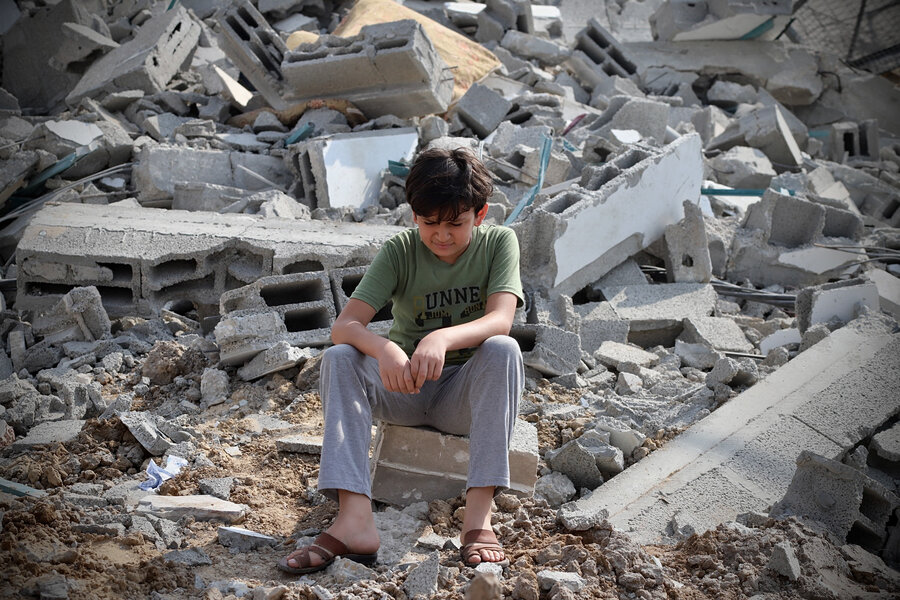
A young boy sitting in a pile of destruction.

Food-insecurity levels were already alarmingly high, with one third of people in Palestine – 1.8 million – experiencing food insecurity. In the immediate aftermath of the spike in conflict, the UN World Food Programme's emergency operation aims to provide a critical food lifeline to over 800,000 people.

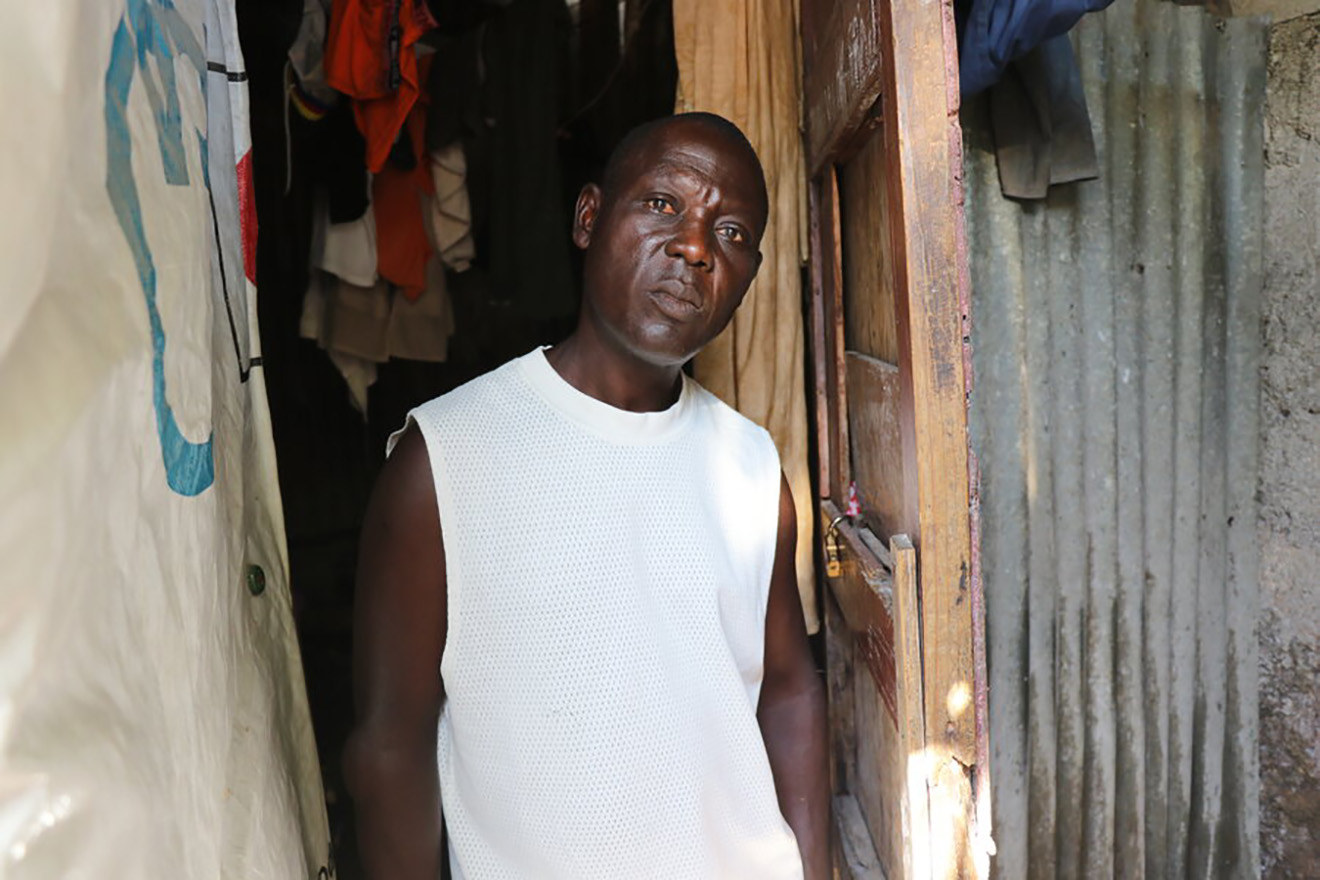
Portrait of Herman Petitfrere, a displaced Haitian who lives in a makeshift shelter built from wood and iron sheeting.

A funding crunch has sharply curtailed WFP’s response to two top hunger crises: Somalia and Haiti. WFP spoke with Hibo Ahmed, who has survived on WFP cash assistance programmes at a dusty camp for internally displaced people, and Herman Petitfrere who, after fleeing gang violence in the neighborhood where he lived, in Haiti’s capital, Port-au-Prince, now lives in a makeshift shelter built from wood and iron sheeting, located in a camp, where hundreds of other people have also taken refuge. Both are surviving day-to-day in homelands roiled by violence and climate change — which together help to drive some of the world’s highest hunger rates.

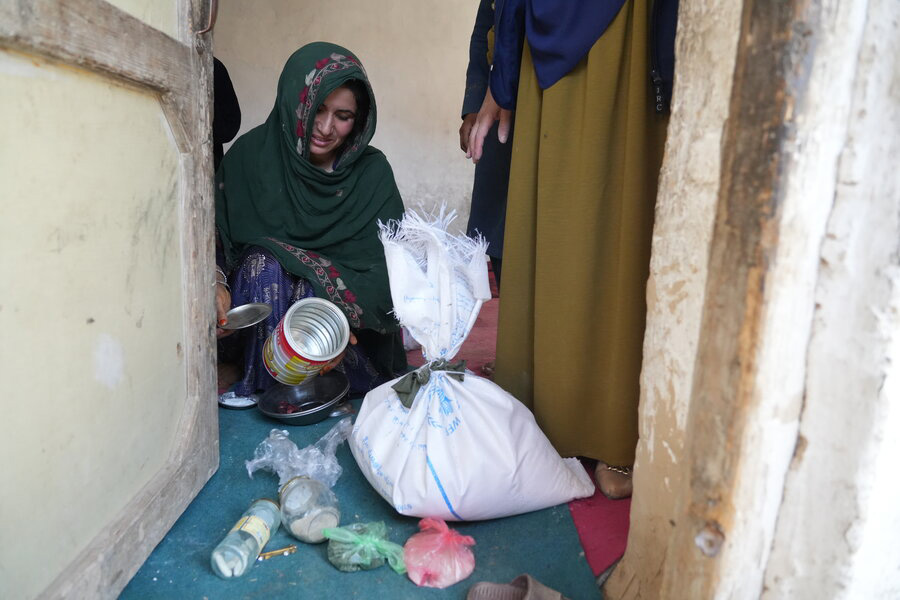
Woman crying over empty food containers.

The Afghan community is being pushed to the brink as the World Food Programme is forced to cut food assistance driving people into a freefall where they do not know where their next meal is coming from. Children are earning 50 Afghan Afghanis (US$0.60) a day from garbage and plastic collection. In a country reeling from protracted conflict, a decimated economy, and a climate crisis that is worsening by the day, 15 million people are going to bed hungry every night. WFP urgently needs US$1 billion to pull Afghans back from the brink. 

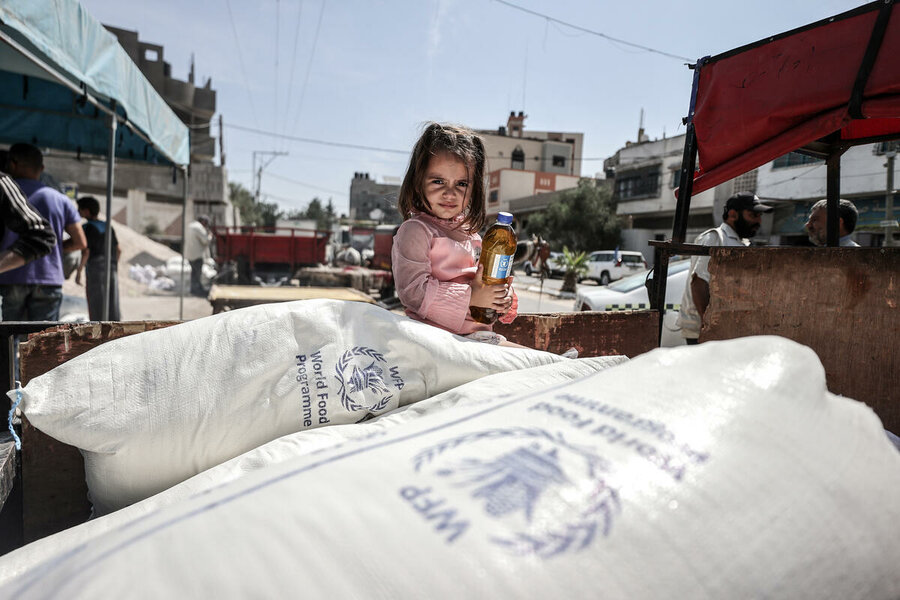
a girl sits on top of a truck packed with sacks marked WFP

There are 734 million people going hungry around the world, 122 million more than in 2019, according to ‘The State of Food and Nutrition in the World 2023’ (SOFI). Launched by UN agencies including the FAO and WFP,  the report estimates 29.6 percent of the world’s population, around 2.4 billion people, had restricted access to food last year. This includes around 900 million people facing severe food insecurity amid worsening and intersecting crises.  WFP needs US$25.1 billion to reach 171.5 million people around the world this year.