

The meals offered by Shree Kakani Ganesh Primary School, in Nepal are part of a broader effort to give young school children a healthy start. With more than one-fourth of Nepal’s children under 5 suffering from malnutrition, the school meals are a game changer. Under WFP’s Home-Grown School Feeding initiative, children are fed with different nutritious hot meals daily resulting in fewer children missing school. Food is sourced from local smallholder farmers which in turn has seen an increase in the local communities income and strengthened economy while improving family dynamics in Nepal.
WFP
Climate extremes are a key driver of food insecurity. WFP are providing solutions to help communities predict and prepare for climate disasters for a sustainable future.
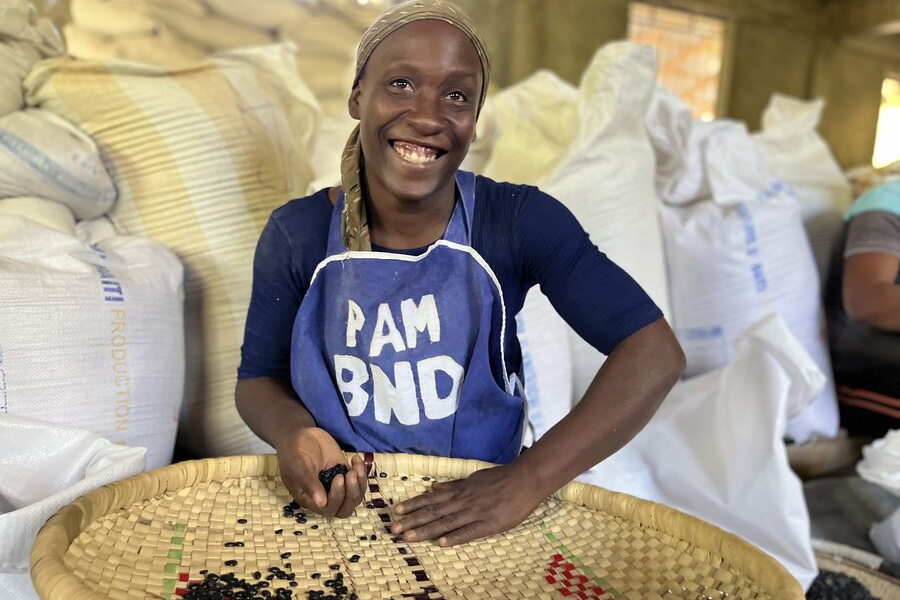
Haiti’s hunger crisis is unseen, unheard, and unaddressed leaving more than 4.9 million Haitians struggling to eat day-to-day. Pervasive insecurity and extreme weather conditions are inhibiting access to the rich food productive areas in the region. WFP is optimistic that despite these challenges, empowering the local community will build long-term capacities in bridging the food crisis. There needs to be a multi-sector response and investments in the local grassroot organizations to stabilize humanitarian assistance in Haiti.
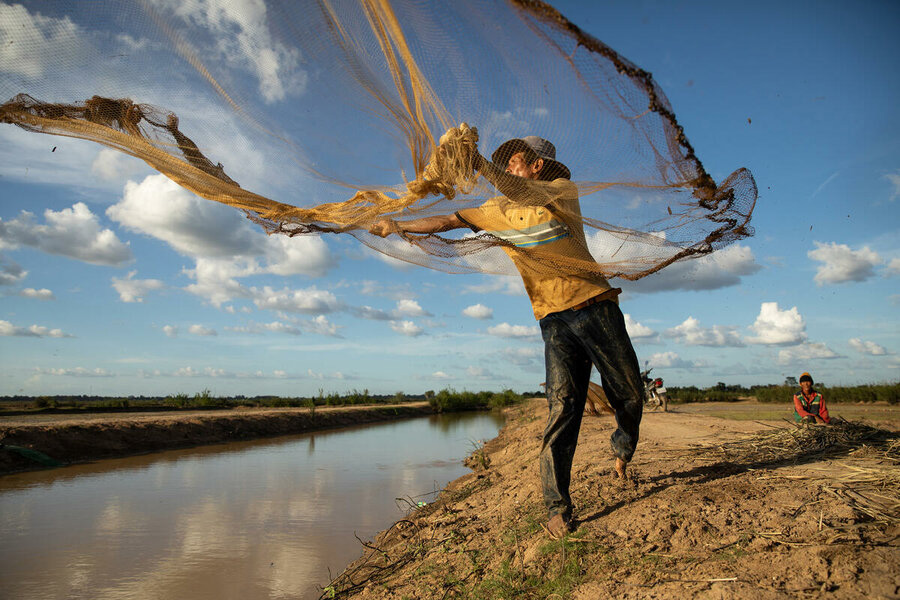
In the words of rice farmer Deur Sok, the difference the 2.3km canal built in 2022 as part of a World Food Programme-backed project is making in Sambour, a commune in central Cambodia’s Kampong Thom province is tremendous. Changing weather patterns in the past few years have caused an unpredictable succession of drought and flooding, which spelled disaster for farmers relying on so-called wet season – or rainfed – rice cultivation. Farmers in the region had seen their plants wilt when there was not enough water – or washed away when there was too much. The canal has broken their dependence on erratic weather events and as a result, their yields have more than doubled.
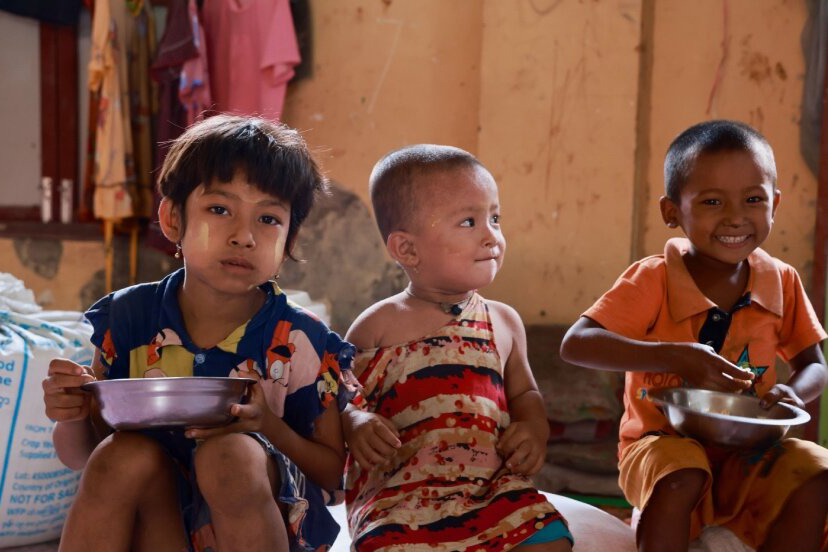
Nearly two weeks after Cyclone Mocha, a grim certainty looms as the coastal areas of Myanmar and Bangladesh enters monsoon season. The cyclone has sent food prices soaring and wiped-out people’s slender food stocks. But now Mocha’s devastation has only deepened hunger already sharpened by the country’s conflict and political and economic crises. WFP has distributed hot meals and emergency food assistance to thousands of people in the immediate aftermath of the storm. A funding shortfall is threatening WFP's response in both countries.
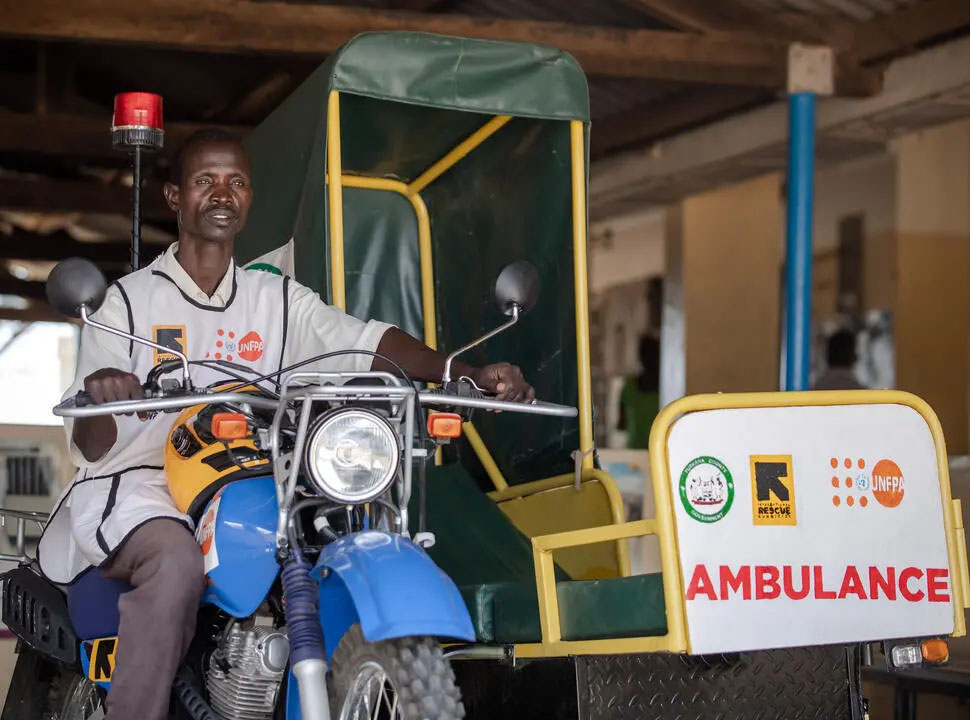
For the women and girls who are living amid the Horn of Africa crisis, there are increased risks. Cases of child and forced marriage, female genital mutilation, rape, and other forms of violence have all risen sharply. UNFPA provides medical personnel and supports a range of mobile services and initiatives to reach people, such as this motorcycle ambulance, driven by Mark, who transports women to deliver safely. With increased support from the international community, UNFPA can do more for women to protect them from violence and provide access to medical interventions.
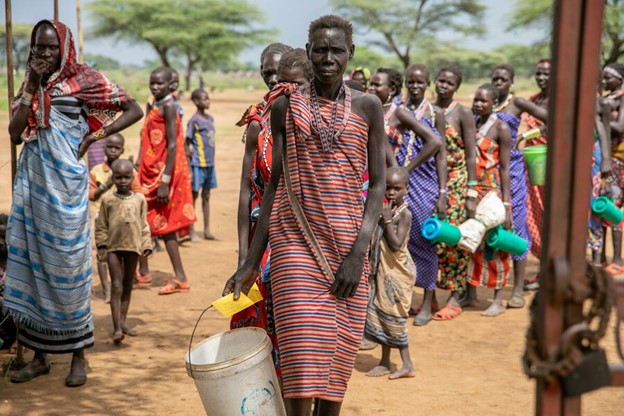
After three years of drought, more than 23 million people across parts of Ethiopia, Kenya and Somalia face severe hunger. When the region’s long-awaited rains arrived in March, they should have brought some relief. But instead, flash flooding inundated homes and farmland, washed away livestock, and closed schools and health facilities. Mortality and malnutrition rates remain a serious cause for concern. WFP and partners launched a rapid scale up of life-saving assistance in drought-hit Somalia, Kenya and Ethiopia, which helped to keep famine at bay in Somalia.
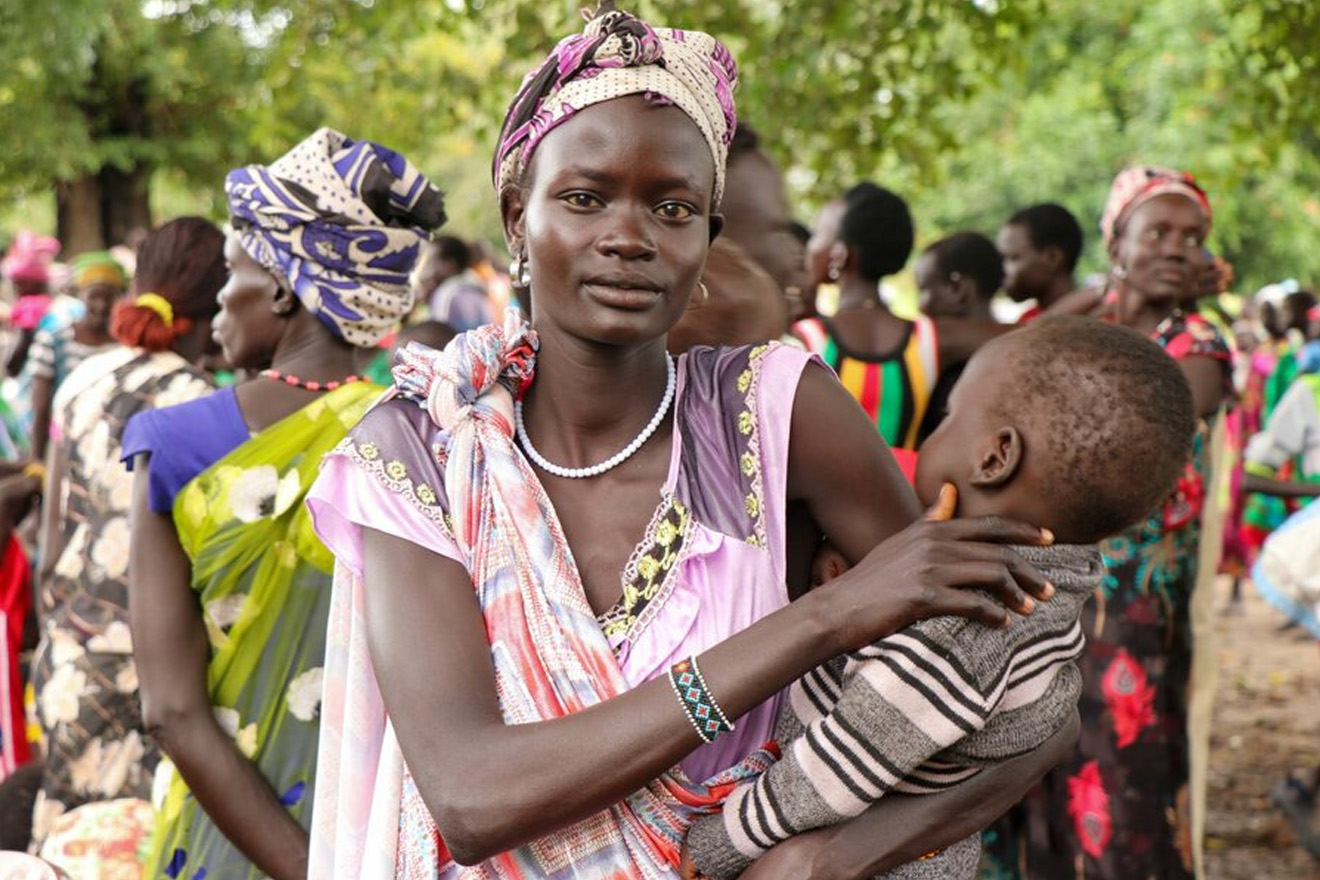
All 7 countries, where famine-like conditions are expected in 2023, are experiencing high levels of armed violence. 24 May marks the fifth anniversary of the UN Security Council adopting Resolution 2417, acknowledging the link between conflict and hunger. This document recognizes the need to establish accountability for those who exploit starvation for their own end. Zero hunger cannot be achieved without stability – this is why WFP plays a key role in building pathways to peace.
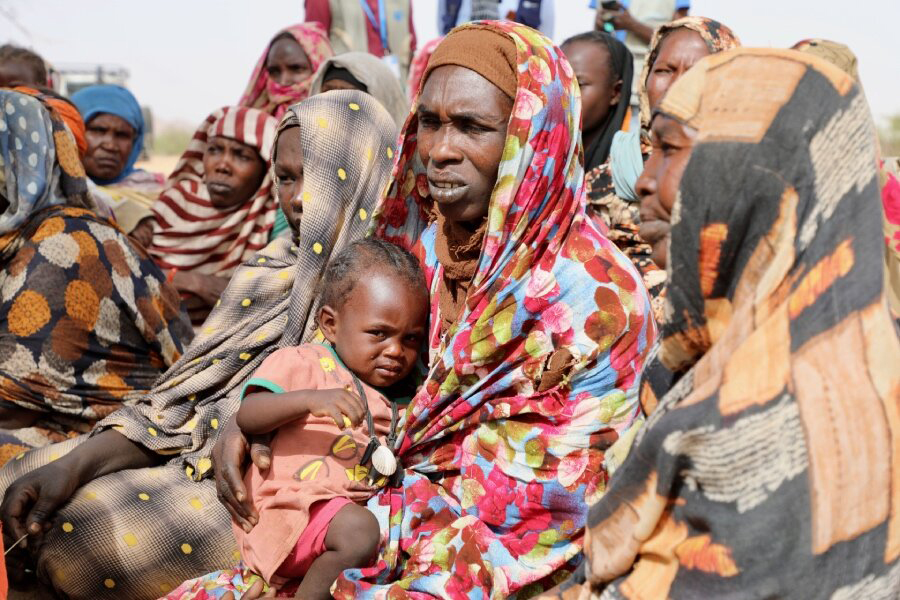
When the fighters came to her Sudanese village, 50-year-old Aicha Madar fled with her daughter Fatima, joining thousands streaming across the border into eastern Chad. Tens of thousands of Sudanese refugees have escaped the recent uptick of violence in their homeland – numbers that could swell to 270,000 or more. Most are heading to South Sudan and to Chad, countries already grappling with some of the world’s highest hunger levels. WFP and other humanitarians fear a perfect storm, as refugee influx from Sudan’s unrest is compounded by upcoming rains, lean season and a funding crunch.
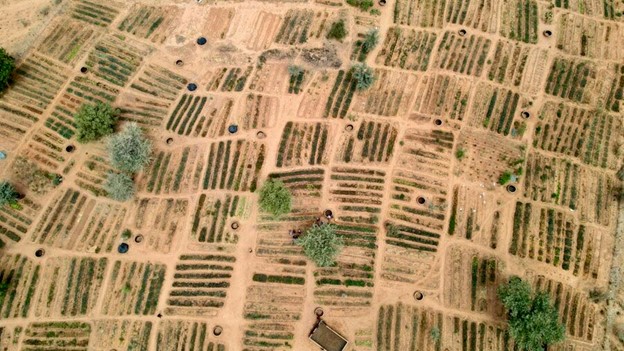
The thermometer is already hovering near 40°C (104°F) before noon in a remote village in Niger’s southwestern Tillaberi region. Despite these high temperatures, WFP-supported community gardening initiative, Integrated Resilience Programme, has transformed the once-barren earth with promising payoffs for the farmers. In regions severely affected by the food crisis, a striking 80 percent of villages benefitting from WFP resilience activities did not require humanitarian assistance last year. These initiatives include land rehabilitation where more than 233,000 hectares have been rehabilitated since the initiative’s launch in 2014.
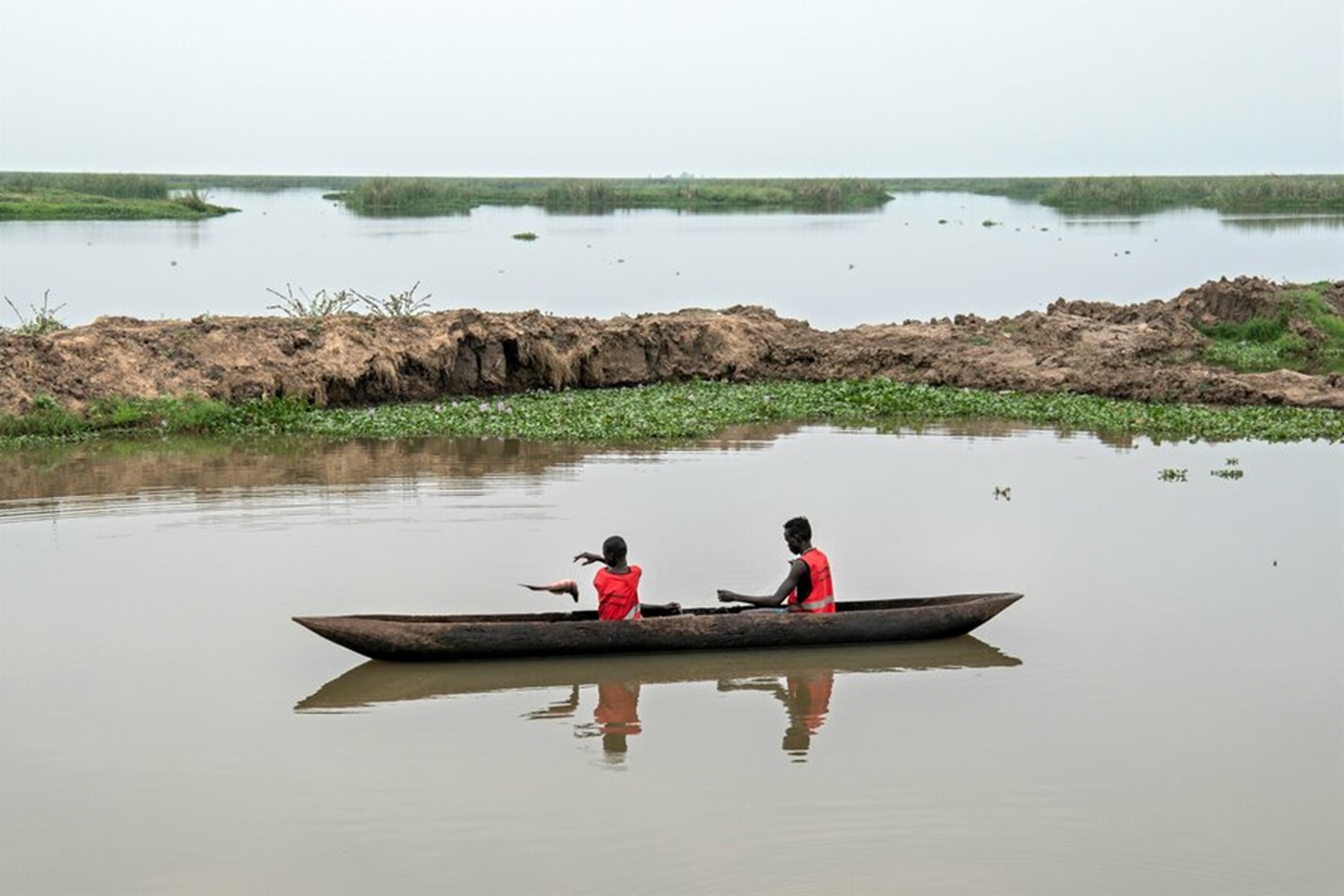
Unprecedented floods have swallowed large swathes of South Sudan, while other parts are grappling with devastating drought. The climate crisis is also compounding existing challenges in the country, such as conflict, poverty, and rising food and energy prices. This has left almost 8 million people facing crisis levels of hunger. The dyke rehabilitation by WFP is just one of many initiatives that they are rolling out to tackle the climate crisis, improve food security and develop rural economies in South Sudan. Families who had fled their towns when the dykes broke, are returning eager to rebuild their way of life.
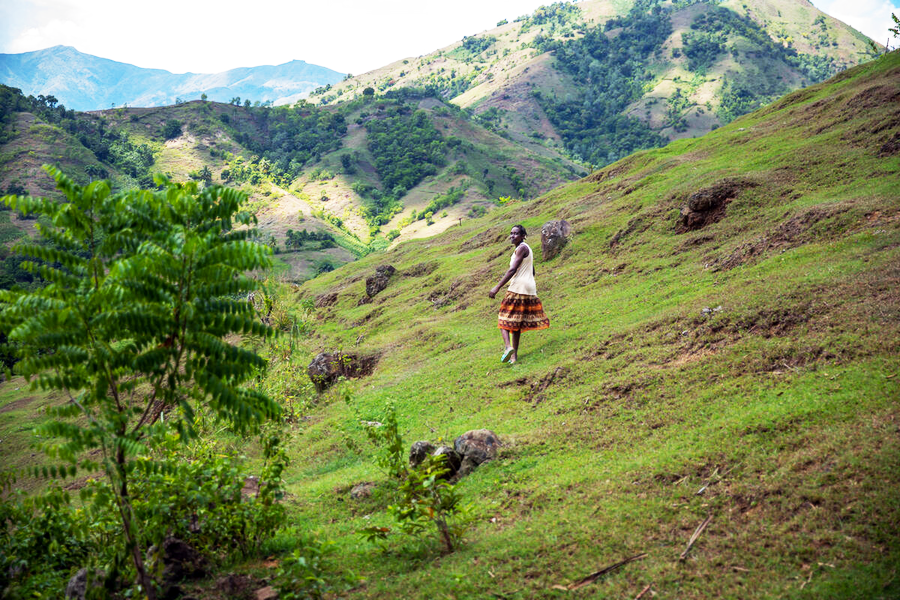
A healthy planet is one with clean water, fresh air, a nourishing ecosystem, and a stable and predictable climate. The health of our planet is all the more urgent today, as an ongoing global food crisis leaves nearly 350 million people facing high levels of food insecurity. The World Food Programme (WFP) works with communities to strengthen their resistance to worsening climate effects, through early-warning systems, physical and financial protection, and nature-based solutions. Between 2014-2021, WFP has supported communities in rehabilitating 1.6 million hectares of degraded land, building 111,000 water ponds and planting 60,000 hectares of forests. In Haiti, mother-of-three Rose participated in a WFP project to reduce landslides and conserve soil. Here are four actions you can take to help the planet.
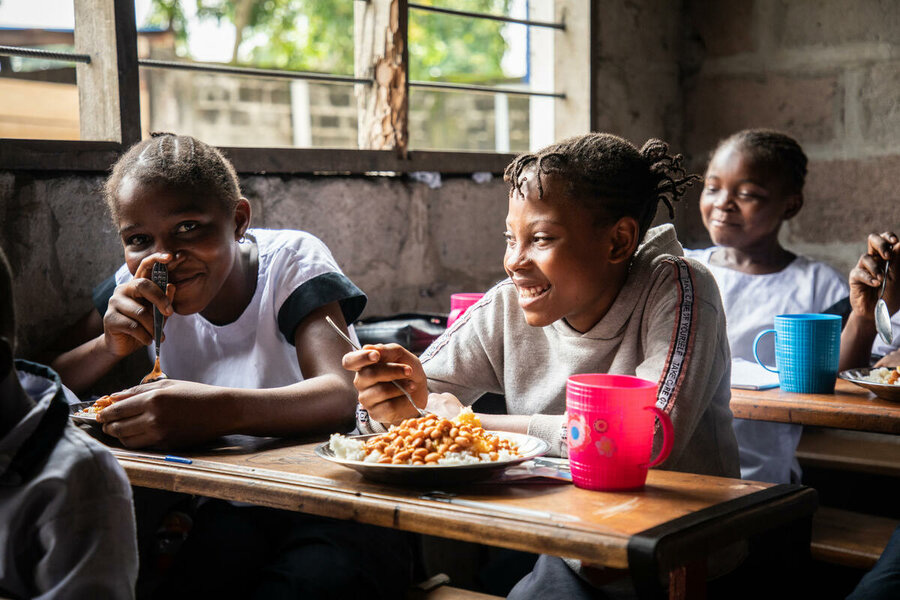
School meals programmes are dishing up hope for millions of children at the forefront of the global food crisis, according to a new WFP State of School Feeding Worldwide 2022 report.
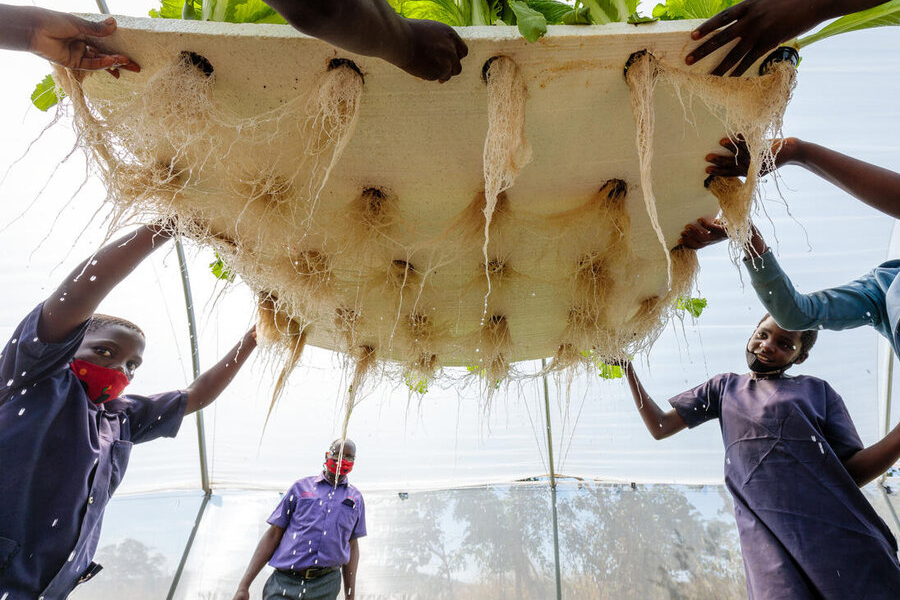
Students in a rural school near Gwembe learn about soilless cultivation, or hydroponics, in a greenhouse set up by the World Food Programme (WFP) in Zambia. It will come as no surprise that the most food-insecure people live in developing countries and in arid areas where little water is available – or too much water, of too poor a quality. Water is essential for food production, but decades of poor water management, misuse and pollution have degraded freshwater supplies and ecosystems. WFP helps to replenish water-depleted soils and aquifers through programmes that provide communities with water access and availability. These benefits also help to increase people’s food security, empowering them over the long term.
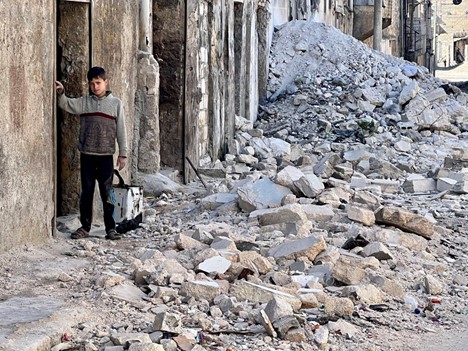
Syria was a largely forgotten crisis until it was rocked by deadly earthquakes on its border with Türkiye. More than half of Syria’s population, or 12.1 million people, are food-insecure with a further 2.9 million on the brink of food insecurity. Nutrition is becoming a significant problem as malnutrition rates reach levels never seen before. Since the first earthquake on 6 February, WFP has provided immediate food assistance to over 2 million affected people in Syria, including 1.4 million in non-Government-controlled areas in the northwest. WFP urgently requires donation to maintain regular emergency assistance across Syria.