
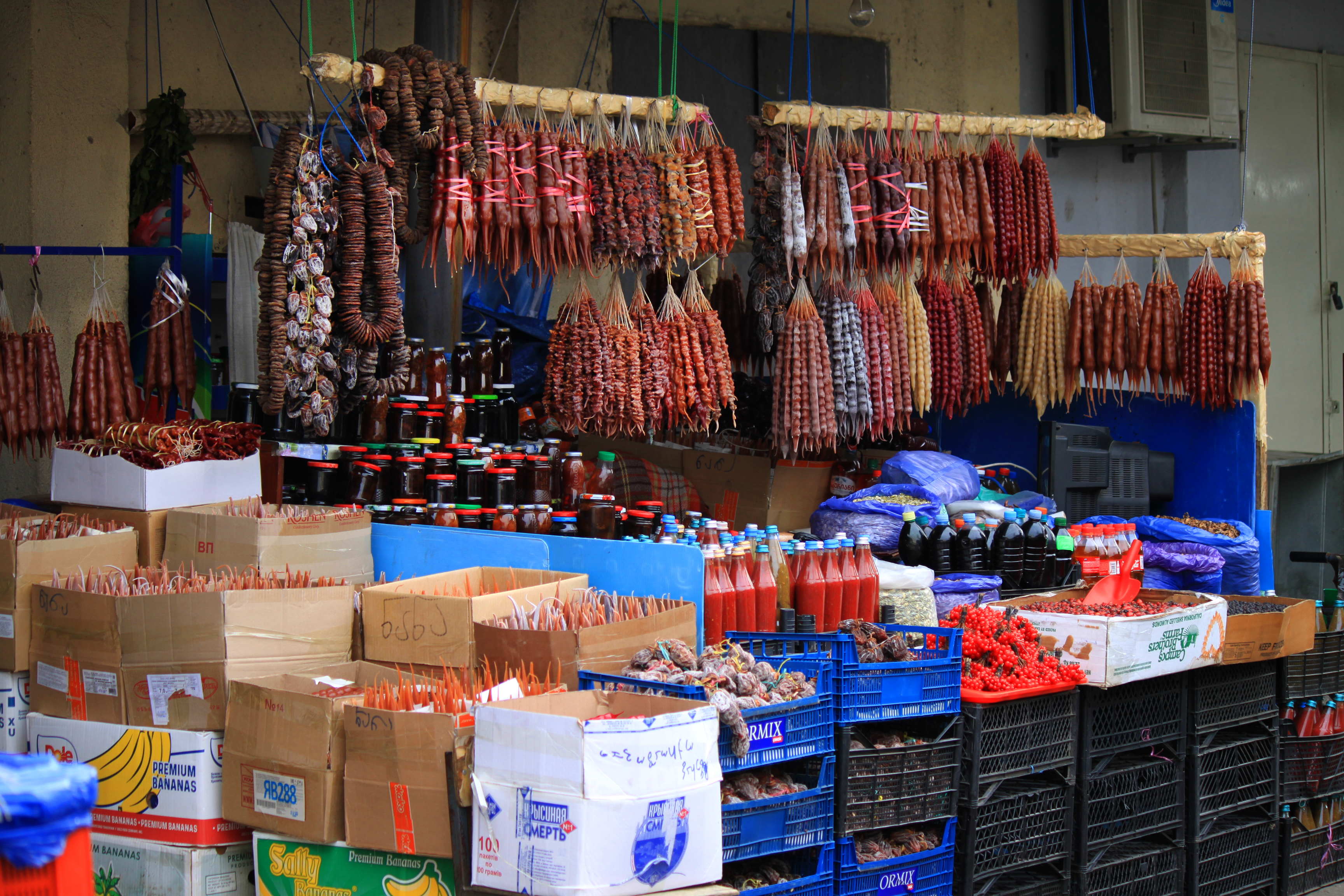
Safe food is one of the most critical guarantors for good health. Only when food is safe can we fully benefit from its nutritional value and from the mental and social benefits of sharing a safe meal. In contrast, unsafe foods are the cause of many diseases. Globally, 1 in 10 people are affected by foodborne diseases annually. The good news is that most foodborne diseases are preventable. World Food Safety Day is an opportunity to strengthen efforts to ensure that the food we eat is safe, mainstream food safety in the public agenda and reduce the burden of foodborne diseases.
Food
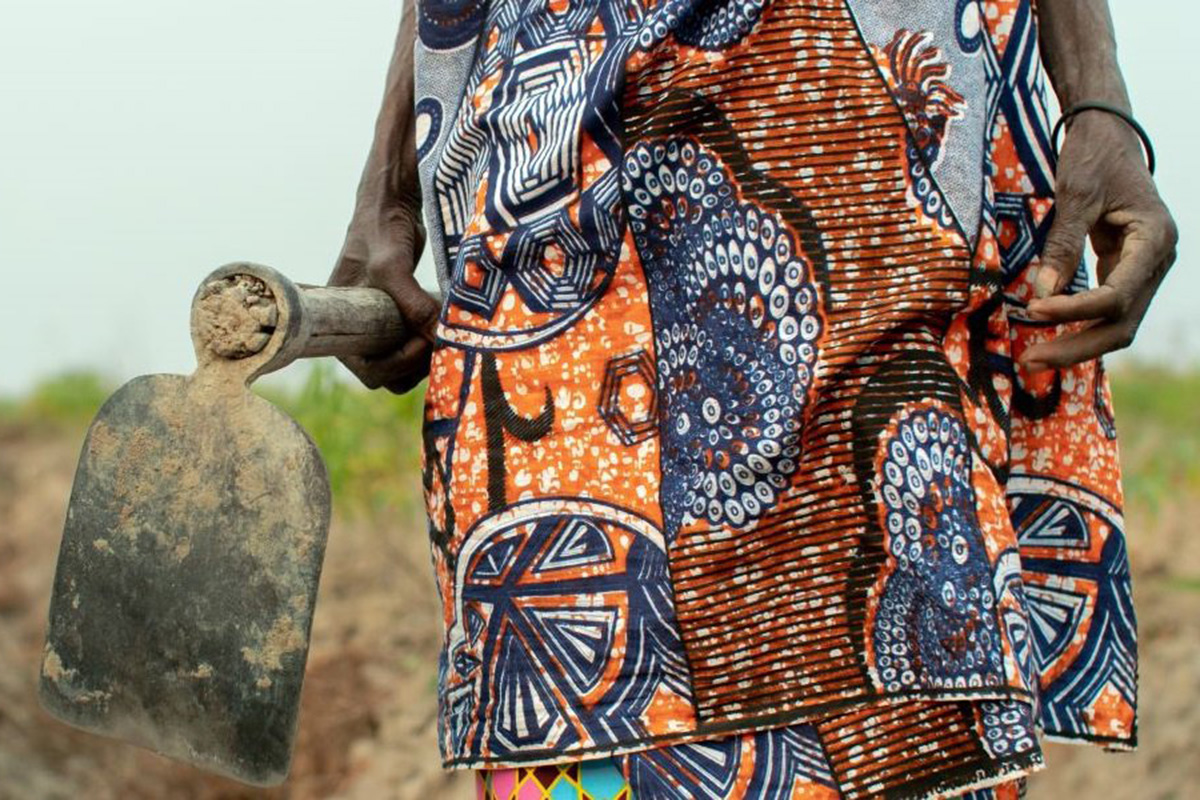
The World Bank is working with countries on the preparation of $12 billion of new projects for the next 15 months to respond to the food security crisis. These projects are expected to support agriculture, social protection to cushion the effects of higher food prices, and water and irrigation projects. In addition, the World Bank’s existing portfolio includes undisbursed balances of $18.7 billion in projects with direct links to food and nutrition security issues, covering agriculture and natural resources, nutrition, social protection, and other sectors.

In this interactive story, FAO presents healthy and sustainable food pathways for schoolchildren. FAO envisions a world where all people enjoy healthy diets, which is one of FAO’s four goals.

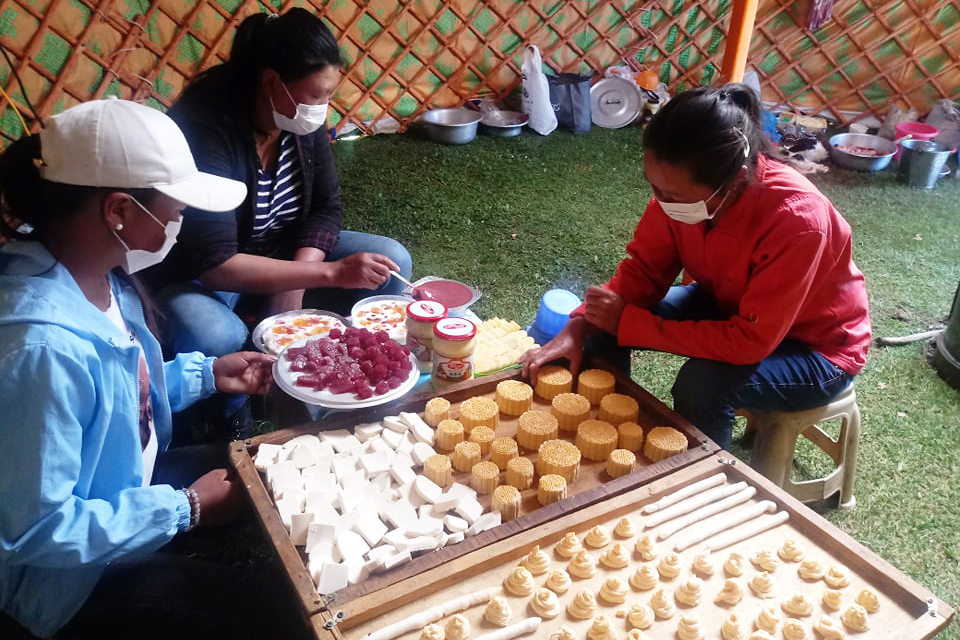
They’re designed to not only celebrate local cuisines, but to recognise the nutritious value of traditional meals eaten around the globe.
The wildlife-based tourism sector has been devastated by the effects of COVID-19. As tourism collapsed, related jobs and income were lost, conservation project funds were withdrawn, and as a result, poaching increased in many places around the world. These three consequences of COVID-19 were followed by a further knock-on effect: widespread food insecurity. Reversing degradation of land, soil, & forests is at the heart of ensuring people have enough to eat. It is also at the core of protecting wildlife. Read how nine projects are working to tackle both.

Who says children shouldn’t play in the kitchen? Cooking healthy food starts young in this Touch Smell Taste cooking class in Rome. The hands-on cooking lab, led by Naheda Slayih and supported by volunteers, invites visually impaired children to learn how to become young chefs and have a good time too.
Producers: Megan Williams, Charlotta Lomas, Anais Hotin, Marina Sánchez Castelo, Nina Coates.
Presenter: Megan Williams.
Photo: ©FAO/Cristiano Minichiello.
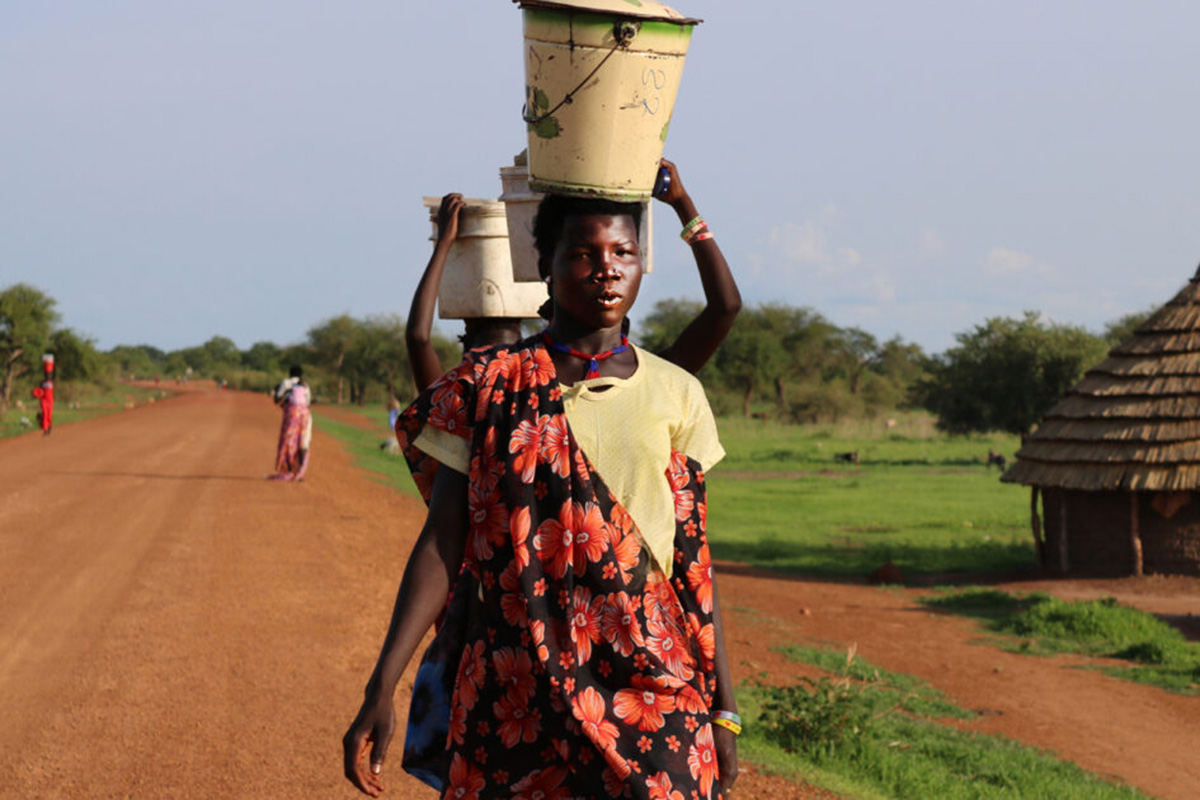
To improve food security, and to support trade and market development, UNOPS constructed feeder roads – secondary roads designed to funnel traffic to major roads leading to markets.
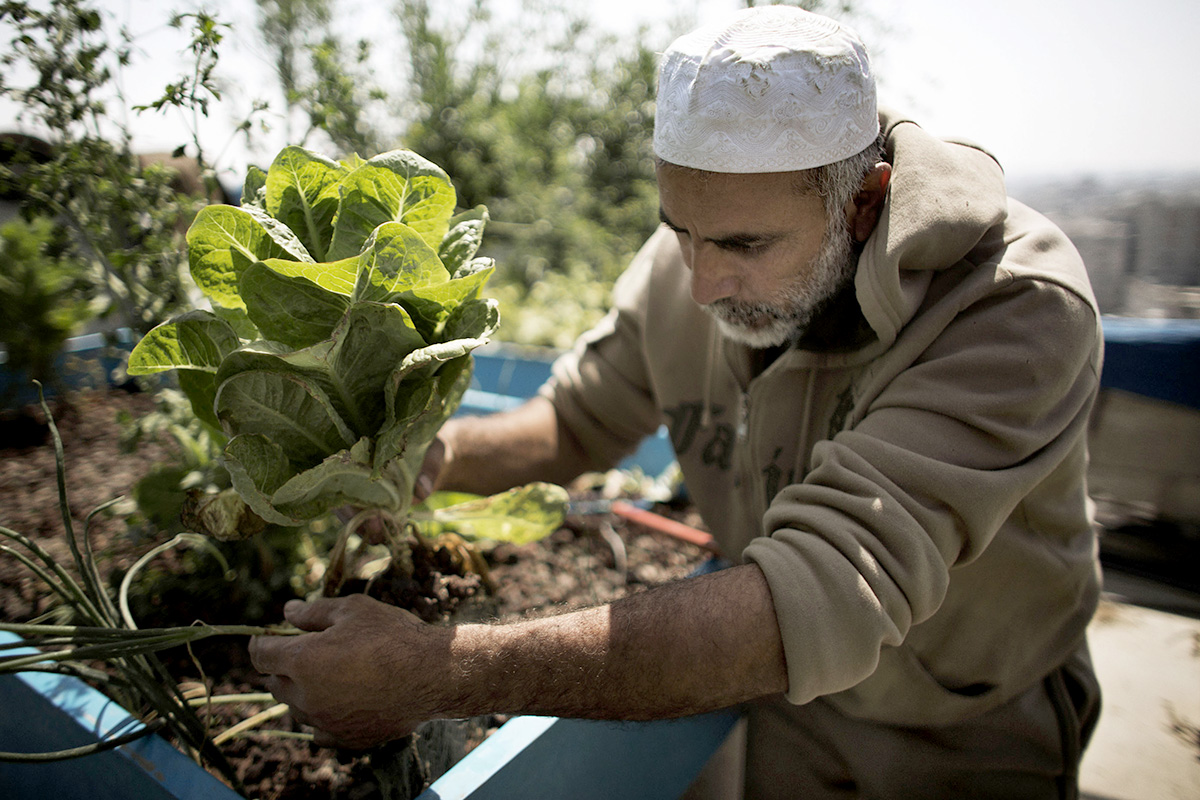
Humans can only flourish where there is enough safe food for all. Food safety supports many Sustainable Development Goals, which cannot be achieved if food is not safe for everyone. World Food Safety Day (7 June) aims to draw attention and inspire action to help prevent, detect, and manage foodborne risks, to keep food safe. Join us to help spread the word about #SafeFood! Watch today’s FAO event to learn about the crucial role of science in keeping food safe throughout the food chain. A few examples of successful and inspiring food safety stories will be shared from across the world.

The Food Waste Index covers the later stages of food’s journey – food waste – occurring at household, food service and retail level.
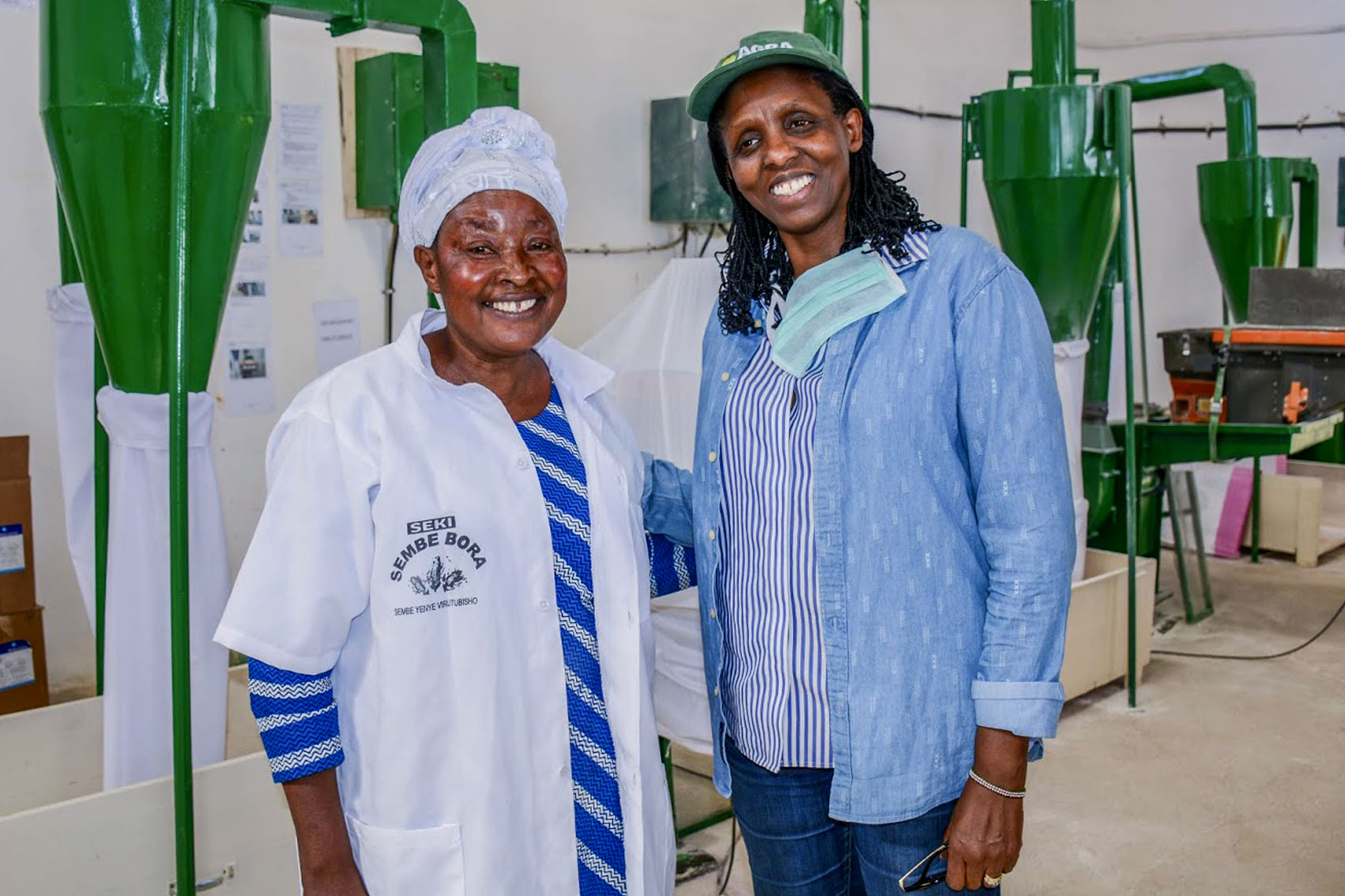
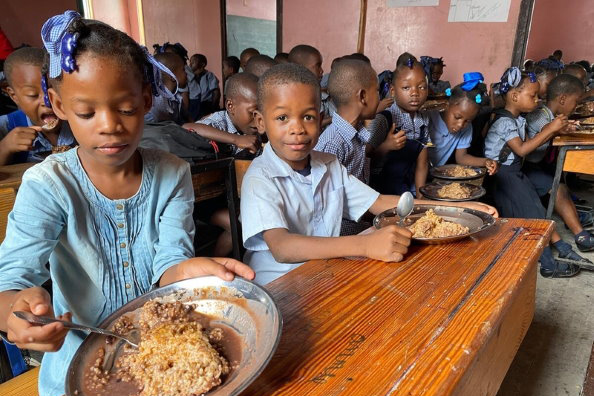
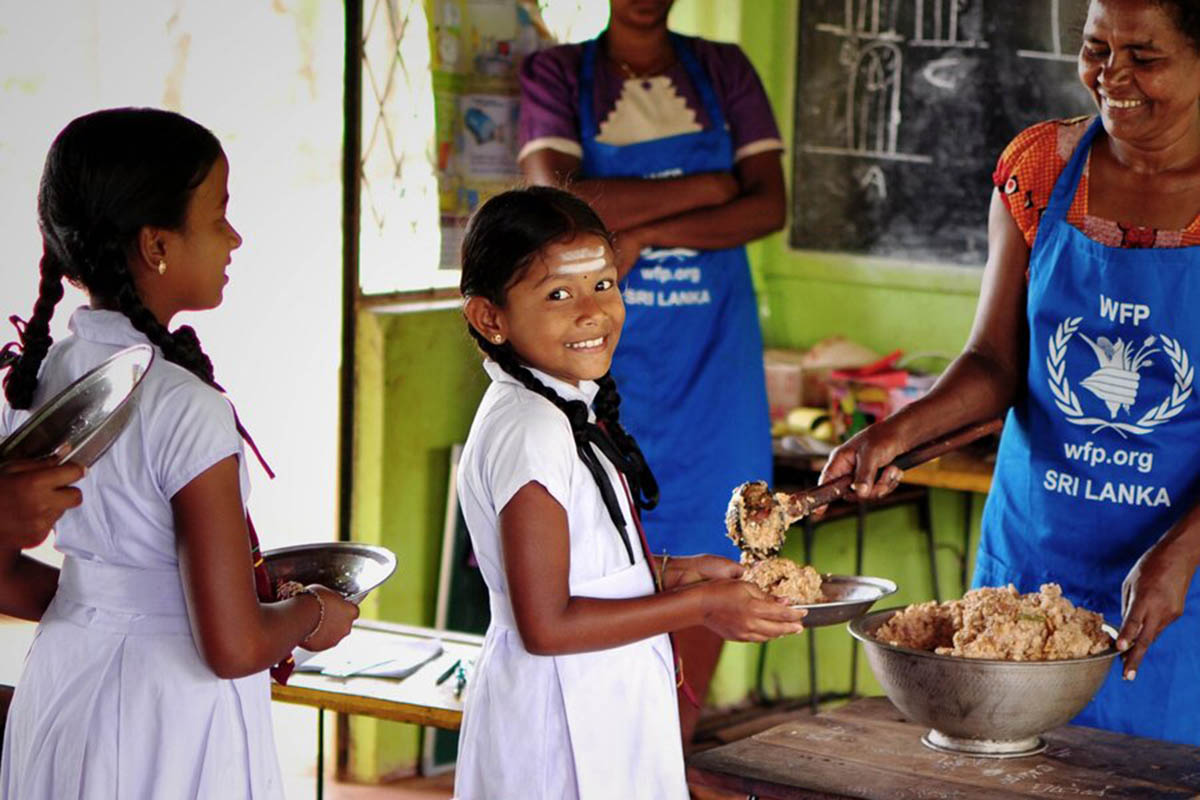
The COVID-19 pandemic risks reversing a decade of hard-won gains in global efforts to provide nutritious food to the world’s most vulnerable children through a free daily meal in school. One in two schoolchildren, or 388 million children worldwide, were receiving school meals when the pandemic struck, the highest number in history, according to the State of School Feeding Worldwide report. By April 2020, 199 countries had closed their schools and 370 million children were suddenly deprived of what for many was their only nutritious meal of the day.
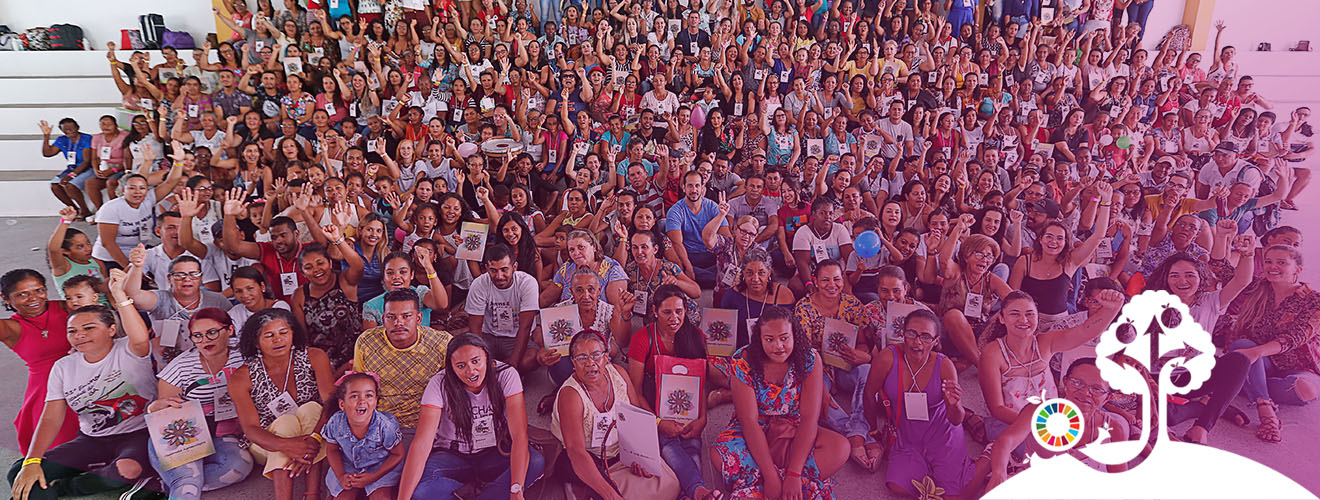
The Champions Network is a diverse global network of individuals and leaders who are passionate about making food systems more sustainable and just. Members of the network will actively call for a fundamental transformation of the world’s food systems to drive progress toward all 17 SDGs.
WFP reports that the coronavirus pandemic is undermining efforts to improve diets and nutrition for nearly 2 billion people in Asia and the Pacific, according to an FAO report published today. The Asia and the Pacific Overview of Food Security and Nutrition states that 1.9 billion people were unable to afford a healthy diet in 2019—the year that is the focus of the study—while estimates suggest the disruption caused to livelihoods and economies by COVID-19 only worsened problems in 2020, hitting women and children aged under 5 hardest, in spite of economic growth.