
Food

To enhance inclusive access and management of natural resources, FAO is working with local community leaders and local and regional authorities to establish peacebuilding and conflict resolution mechanisms. Through these initiatives, people are able to enhance fodder production, restore grazing lands and keep their livestock safe from drought.

Jhumi is taking online training through a WFP-supported online portal to bridge the gap in digital literacy. Across countries and cultures “food and meal preparations” are often the work of women, but it does not mean they have the power of decision-making in how to use the resources of their households to ensure food security. If women have lower education rates, limited access to information such as weather forecasts, market information, limits on having capital assets, then changing the inequality in wider food systems becomes harder. Partnerships are key to empowering women in developing countries with computer literacy skills and greater digital inclusion requires “good partnership at education level, with bodies that can provide the equipment, IT companies for having access to WiFi.
Edible insects are an underutilized resource that can help meet our growing demands for nutritious food and animal feed while caring for our planet. FAO highlights three reasons why insects should be on the menu.
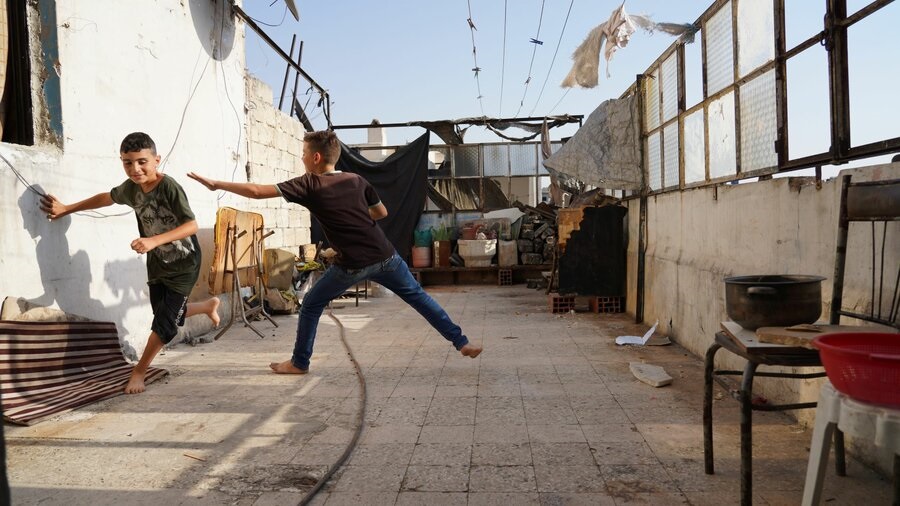
In Syria after years of conflict, 12 million people are food insecure. WFP Goodwill Ambassador George Stroumboulopoulos visited the country in September to see what life is like for people wrestling with unrelenting crises for all this time. In Aleppo he met Ghufran, a former Taekwondo champ, who said her martial arts training helps combat hard times. Ghufran took on cleaning, cooking, and tutoring jobs, to make a living for herself and her three children. But last year as economic downturn led to skyrocketing prices across the country, Ghufran’s income fell short of making ends meet. She turned to WFP, which provides monthly food assistance for families like Ghufran’s. Find out more about Ghufran’s story.
Have you ever wondered why some communities today constantly face extreme hunger? There’s a common saying that goes: “Give a person a fish and they will have dinner for the night but teach them to fish and they’ll never have to worry about food again”. It sounds easy enough, but what happens in the event of a disaster? What if the lake dries up? How do small-scale food producers survive emergencies? Watch this FAO video to find out.

Due to the devasting fallout from the COVID-19 pandemic, Sahar and her husband were among the young Gazans left with an income barely allowing them to get by. They could scarcely keep their family business afloat. Today, their products are quickly snapped up by local residents across the Gaza Strip. Sahar’s fortunes changed dramatically last year thanks to a joint UN initiative to mitigate the pandemic’s impact on women entrepreneurs. Targeting small and medium businesses, the programme rolled out by the WFP and four sister UN agencies, developed the skills and capacities of 40 women-led agribusinesses in the Gaza Strip and West Bank. Find out more about the programme here.
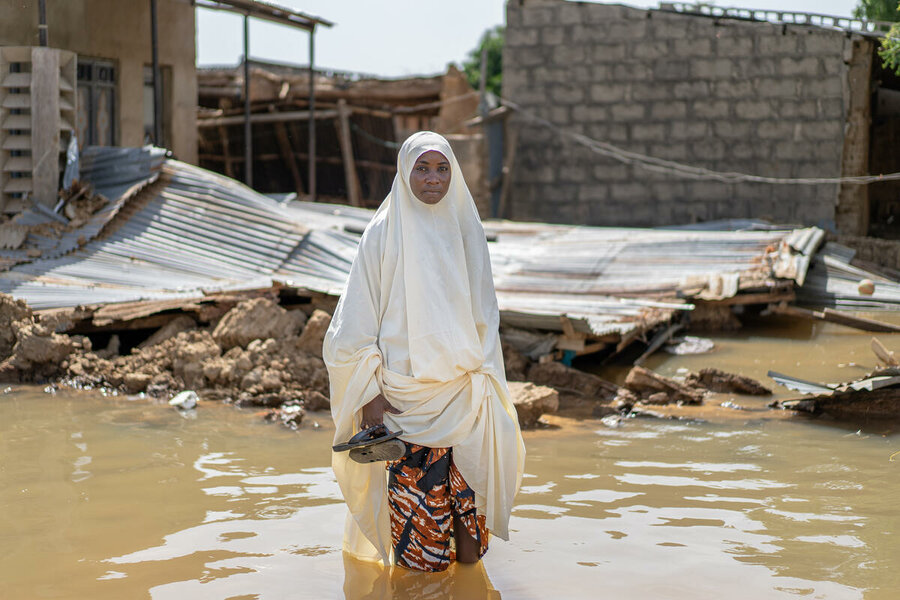
Heatwaves, droughts, floods, and storms are increasing in intensity and frequency and impacting people’s ability to feed their families. As world leaders prepare to meet in Sharm el-Sheikh in Egypt for the UN Climate Change Conference (COP27), WFP is calling on world leaders to act swiftly to help millions of people facing rising hunger and famine. The UN agency is urging global leaders to invest in systems that predict climate hazards and provide physical and financial protection to the most vulnerable. It is calling on world leaders to invest in climate action in communities in fragile contexts and to transform food systems. Find out more about the coordinated action needed to tackle the climate crisis.
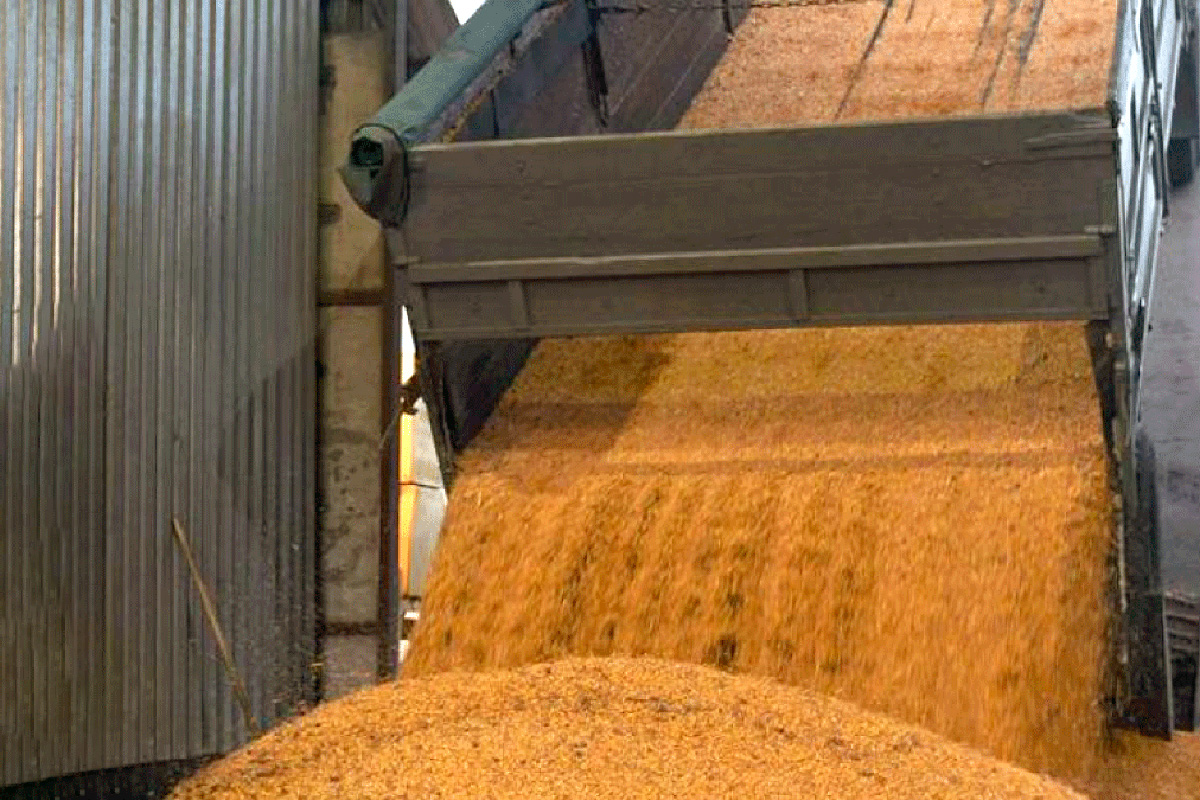
A recent UNCTAD report shows how the Black Sea Grain Initiative, effected to resume exports of Ukrainian grain via the Black Sea amid the ongoing war, has offered hope and shown the power of trade in times of crisis. The report underlines why it’s critical to renew the initiative next month. Thanks to the initiative, port activity in Ukraine is picking up and large shipments of grain are reaching world markets. The total tonnage of grain and other foodstuffs exported through the initiative had reached almost 8 million metric tons.
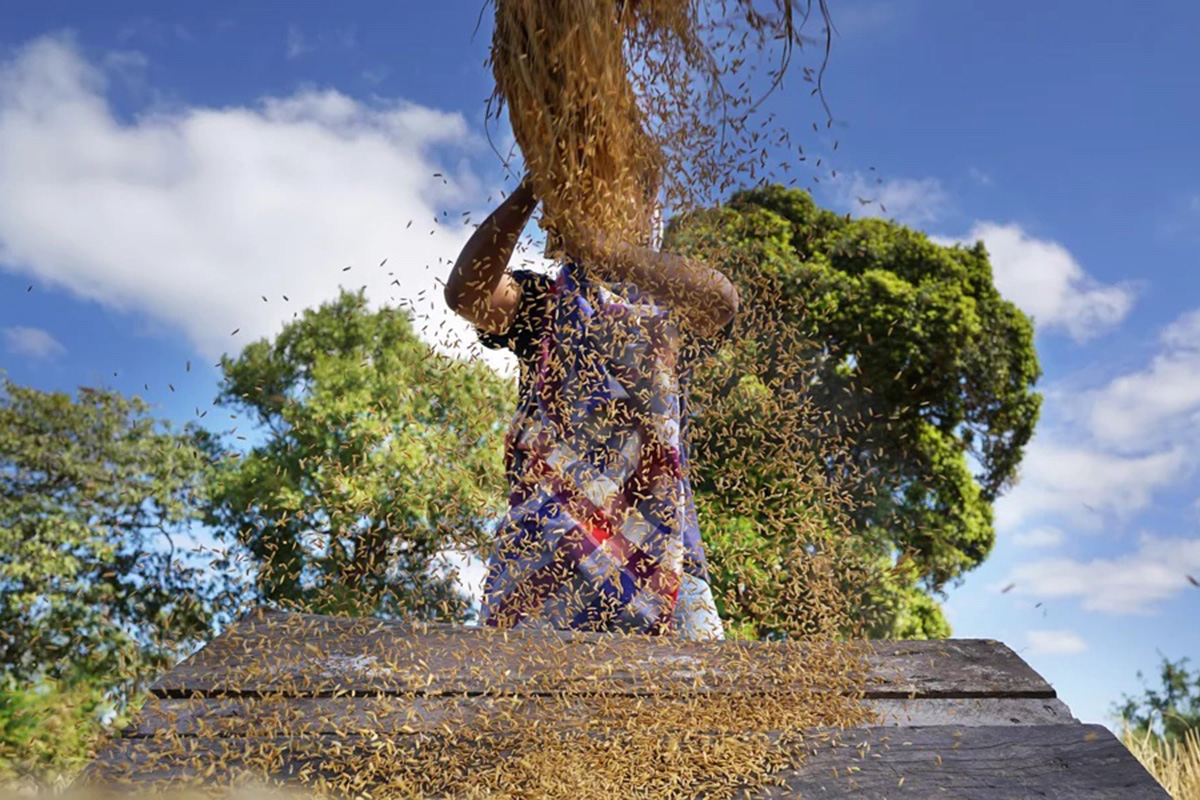
The shrinking value of the currencies of most developing economies is driving up food and fuel prices in ways that could deepen the food and energy crises already faced by many, according to the World Bank’s latest Commodity Markets Outlook report. Because of currency depreciations, almost 60 percent of oil-importing emerging-market and developing economies saw an increase in domestic oil prices, even as prices decline in U.S. dollar terms.
This FAO music video brings together kids from all over the world singing in many languages: ♩ "We dream of a better world, Where we can feed all of its people, No one left behind, And where everyone is equal.” ♩
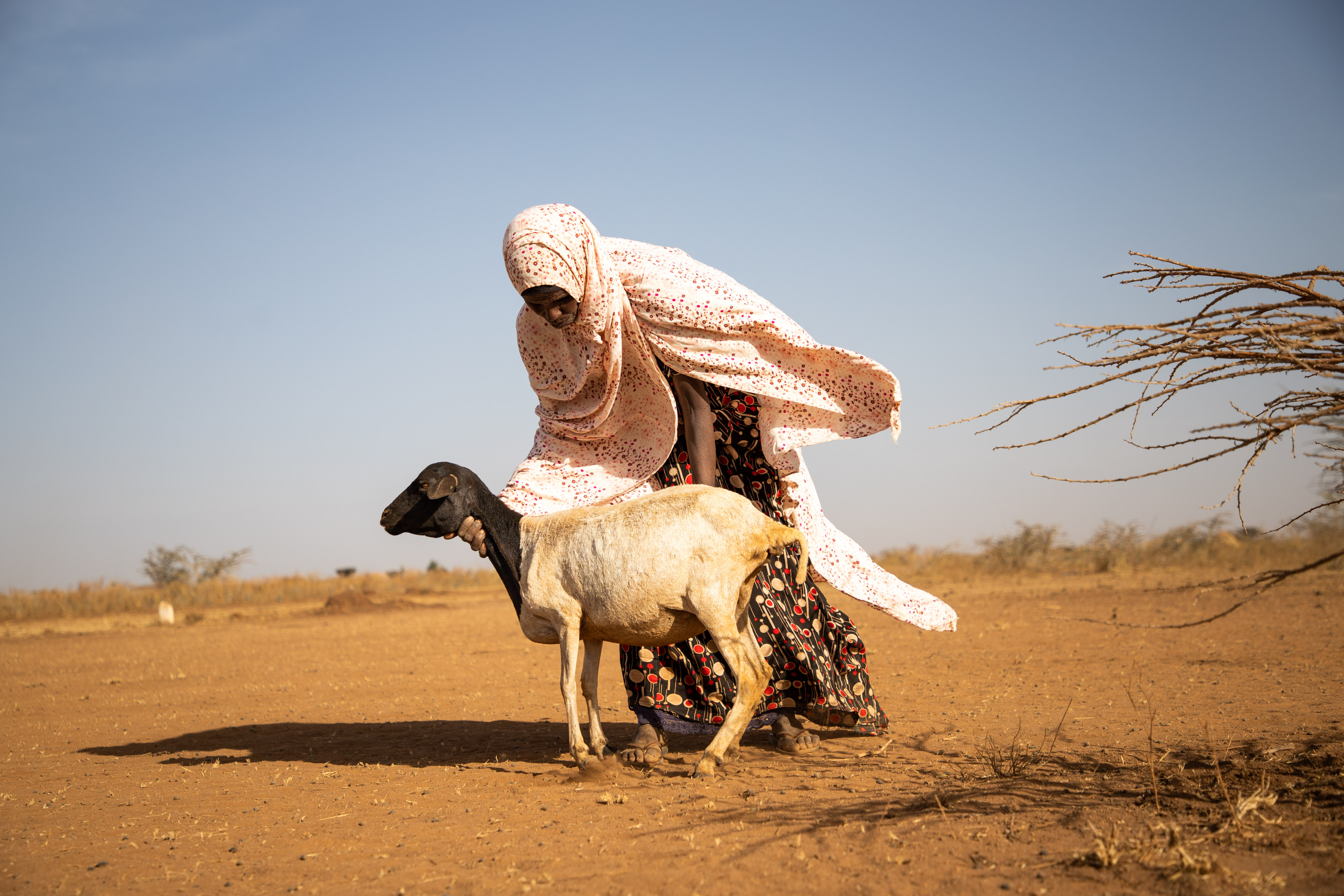
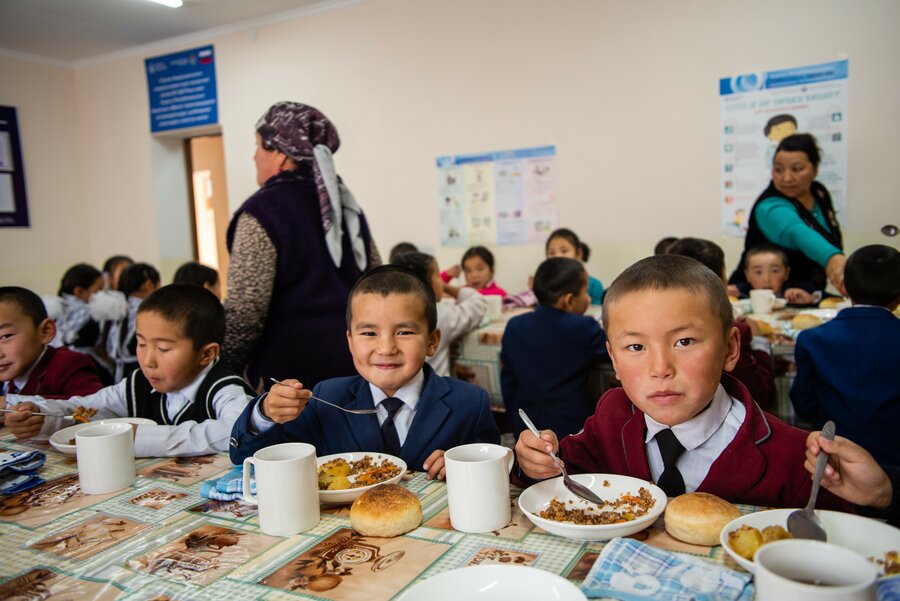
WFP is the world's largest humanitarian agency, assisting 115.5 million people in over 120 countries and territories. Each day it has up to 5,600 trucks, 30 ships and 100 planes on the move, delivering food and other assistance in some of the most remote and challenging parts of the world. It is the frontline UN agency responding to emergencies caused by conflict, climate shocks, pandemics, and other disasters, tackling ongoing emergencies in over 20 countries or regions. WFP also provides school meals to 15.5 million children, improving both their nutrition and their access to a potentially life-changing education. Read the article to find out more about the UN agency.
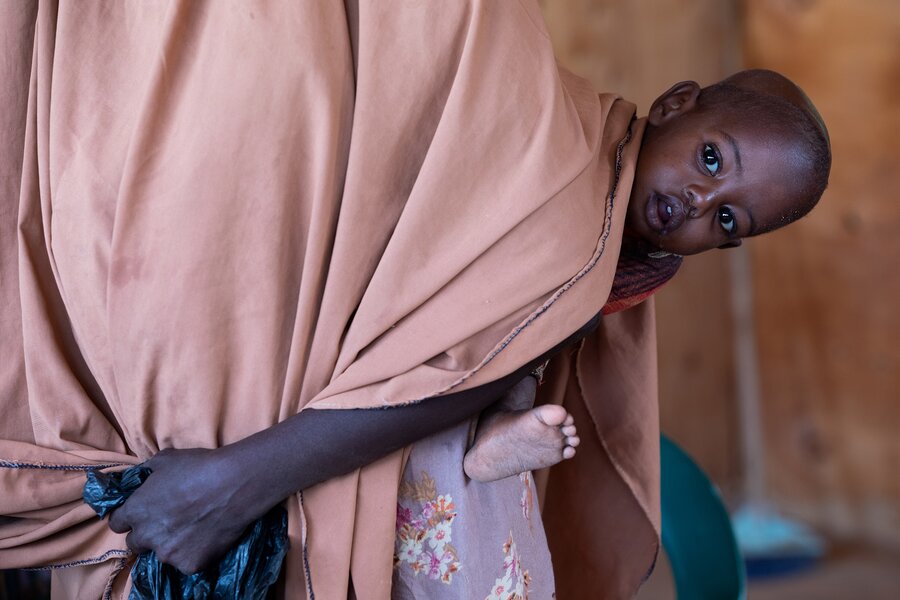
The drought in 2011 led to widespread famine across the Horn of Africa. Now, the risk of famine looms over Somalia again. With conflict compounding the climate crisis in the country, thirst and hunger are driving people to make perilous journeys on foot to reach safety. WFP has drastically scaled up the food and nutrition assistance that it provides in Somalia. The UN agency is now reaching more people than ever before - over 3.5 million in June alone. But as the drought continues, the numbers of hungry people keep growing with over 7 million people facing critical food insecurity.
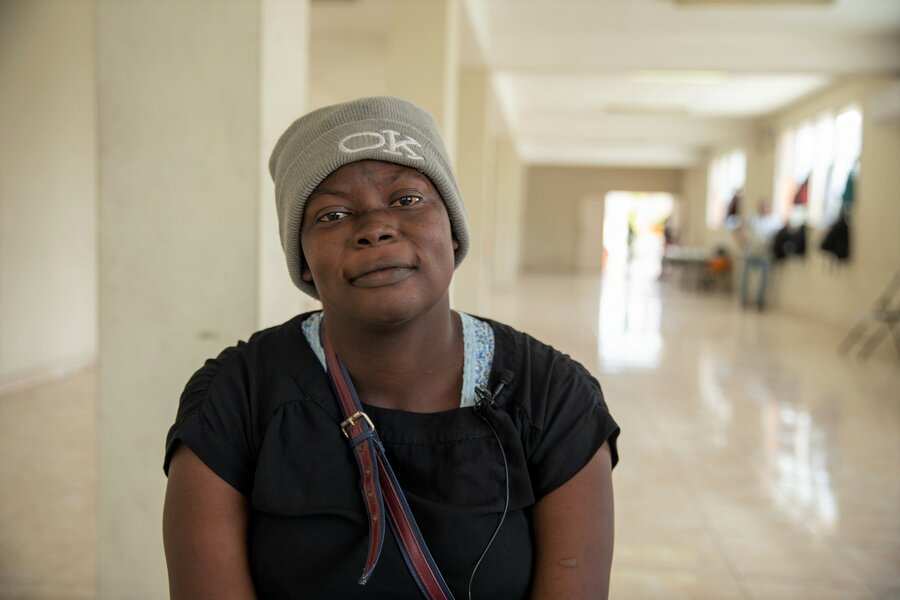
Food security is caught in the crossfire in Haiti as people reel from gang violence alongside rising prices, climate shocks and the Ukraine-crisis ripple effect. 1.3 million Haitians are at risk of severe hunger. WFP has assisted more than 62,000 people with emergency assistance in the metropolitan areas this year, with over US$4.1 million in cash assistance. It plans to assist a further 145,000 in the coming months. Since mid-May, the agency has provided 44,000 hot meals to families who have been displaced by gang violence.