
NBA All-Star and two-time NBA champion Pau Gasol, UNICEF’s Global Champion for Nutrition and Zero Childhood Obesity, is helping lead the fight against the global childhood obesity pandemic by whipping up a healthy recipe for change.
In 2025, obesity surpassed underweight among children for the first time, driven by toxic food environments, while UNICEF’s “Fix My Food” movement empowers youth worldwide to advocate for healthier, more equitable food policies.
Food
Unleash your creativity in the World Food Day Poster Contest and show how healthy food builds thriving, hopeful communities. The deadline for entries is 7 November 2025.

At the 11th Regional School Feeding Forum in Honduras, leaders are spotlighting school meals as vital for improving nutrition, boosting local economies, and advancing education across Latin America and the Caribbean.

Science is at the heart of food safety. It helps us understand what makes food unsafe and guides us on how to prevent foodborne diseases. The theme of World Food Safety Day (7 June) draws attention to the use of scientific knowledge as key to reducing illness, cutting costs and saving lives. With an estimated 600 million cases of foodborne illnesses annually, unsafe food poses a significant threat to human health and economies. This issue disproportionally affects vulnerable and marginalized people, especially women and children, populations affected by conflict, and migrants.
Genetic diversity in animals, plants, and microorganisms supports agrifood systems, vital for life on Earth and our future.
Since 1945 FAO has strived to increase food security, promote sustainable agriculture and innovation, build resilience and empower people for a better life and future. The Food and Agriculture Organization of the United Nations envisions a world where everyone has access to enough high-quality food to lead active healthy lives.

A teacher from El Salvador, a young student from the Dominican Republic, and a family farmer from Guatemala are united in their commitment to the transformative power of healthy school food. Esmeralda Ruiz, a teacher in Concepción de Ataco, El Salvador, turned an academic assignment into a mission to promote healthy eating among her school community. In 2020, she took a course on developing healthy and sustainable school environments, supported by organizations such as the Food and Agriculture Organization (FAO) and the Brazilian Cooperation Agency. With this knowledge, Esmeralda raised awareness about the importance of healthy eating at the San Francisco Catholic Educational Complex, organizing events and fairs for students and parents. Through these initiatives, nearly 600 students and their families are transforming their eating habits while fostering stronger community ties, ensuring that healthy eating is seen as both a right and a daily practice.
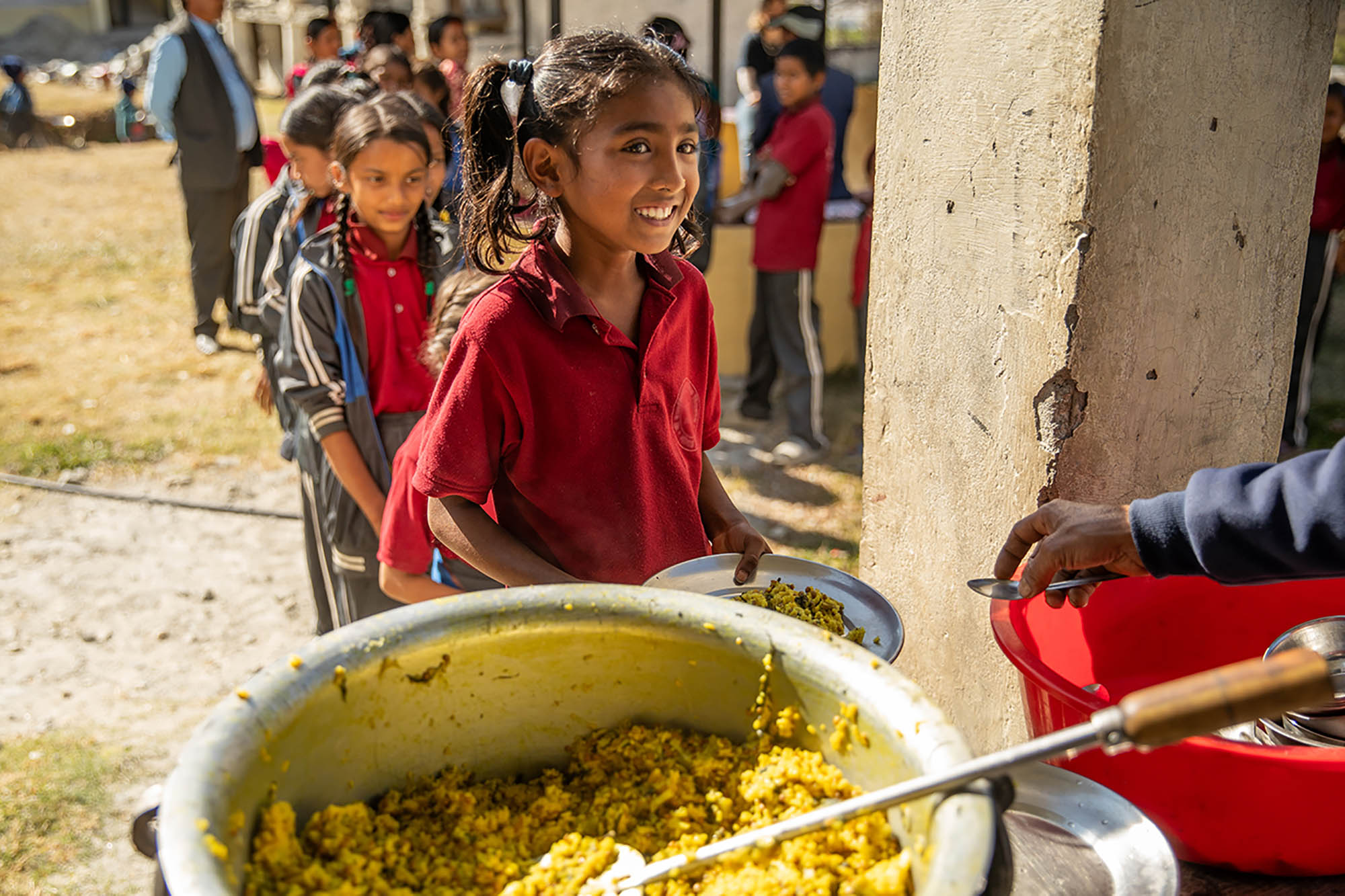
Every day, over 100 million children in low- and lower-middle-income countries are going hungry. Millions go to school on an empty stomach – hunger affects their concentration and ability to learn. School meal programmes play a critical role to address these challenges. The World Food Programme (WFP) has more than six decades of experience supporting governments to ensure that all school-age children have access to school meals and are healthy and ready to learn. On this School Meals Day 2025 (13 March), discover WFP’s programme to make sure no kid is held back by hunger.
Despite progress in reducing hunger and food insecurity, high food costs in Latin America and the Caribbean remain a significant challenge.

The situation in Sudan is devastating, marked by horrific violence and massive displacement. Amid this crisis, a looming nutrition disaster threatens future generations. Over 20 months of conflict have led to soaring malnutrition rates, with approximately 3.2 million children under five at risk of acute malnutrition by 2025 and over 770,000 expected to suffer from severe acute malnutrition. Children facing this condition are vulnerable to developmental issues, diseases, and even death. The nutrition crisis is exacerbated by disease outbreaks, declining access to health services, and unprecedented displacement. In response, UNICEF is rapidly scaling up its nutrition efforts to combat the heightened risk of famine.
As FAO marks its 80th anniversary, a sustainable world is one where everyone counts, and each of us, including youth, can take action to create a better future for all.
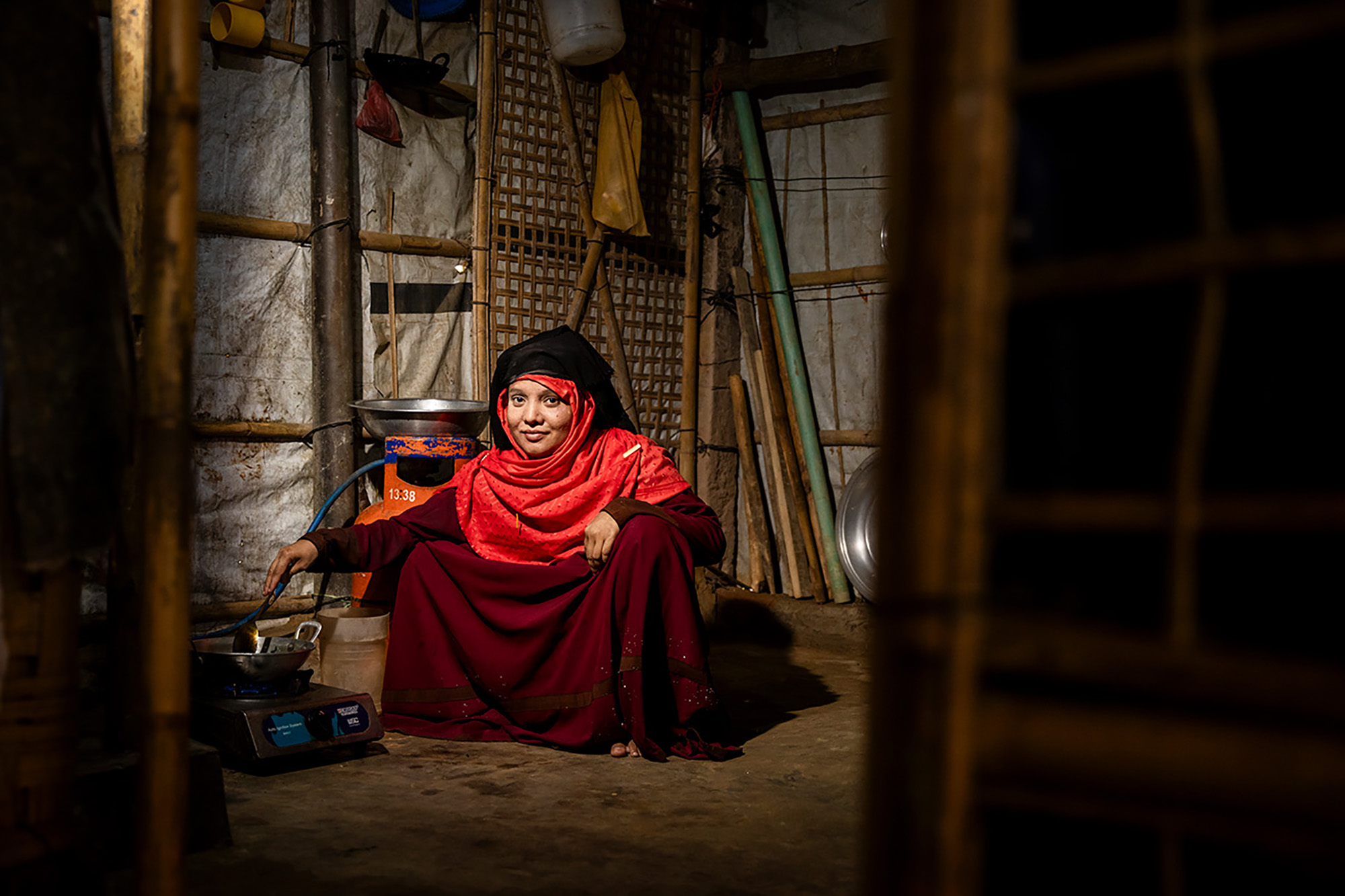
Global food production can feed everyone, yet hunger persists, affecting one in 11 people worldwide and one in five people in Africa. Our goal towards Zero Hunger by 2030 is off track, with nearly 600 million people likely to be chronically undernourished in six years. We require transformative changes and bigger investment in agriculture, closing urban-rural divides, and building efficient, sustainable, and resilient food systems. Our UN specialized agencies - FAO, World Food Programme, World Bank, and IFAD, among others - are there to help in the field.
As we celebrate World Food Day, it’s crucial to acknowledge that despite food being a fundamental human right, millions still face hunger due to conflicts, inequalities, and economic downturns, underscoring the urgent need for access to diverse, nutritious foods for all.