
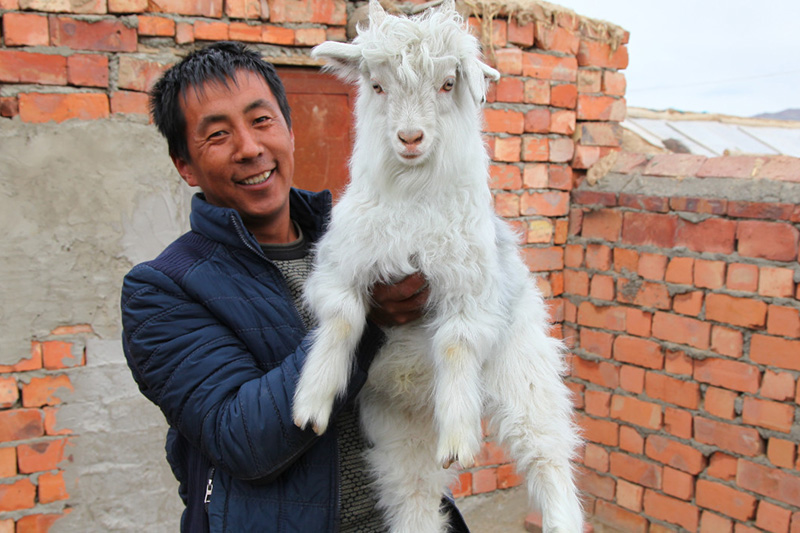
As many as 600,000 people in the Liupanshan area of China’s Ningxia Hui Autonomous Region, nearly 40 per cent of whom are farmers, live under the national poverty line. This is especially true for the Hui, a local ethnic minority, who make up about 60 per cent of the area’s total population. Farmers in Naihe village have been raising sheep and cattle for decades. Nevertheless, they’ve had to contend with a lack of proper livestock facilities, which made raising the animals challenging and limited the number they could sell – and this in turn left them with insufficient funds to upgrade the facilities, trapping them in a vicious cycle. Under an IFAD programme, livestock raising has just gotten easier – and more profitable.
IFAD
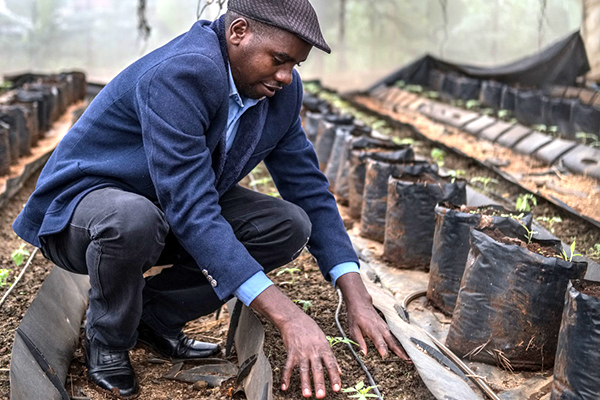
For some small-scale farmers, the impact of COVID-19 has opened the door to new technologies. An IFAD-supported project helps young Kenyan farmers invest in hydroponics systems.
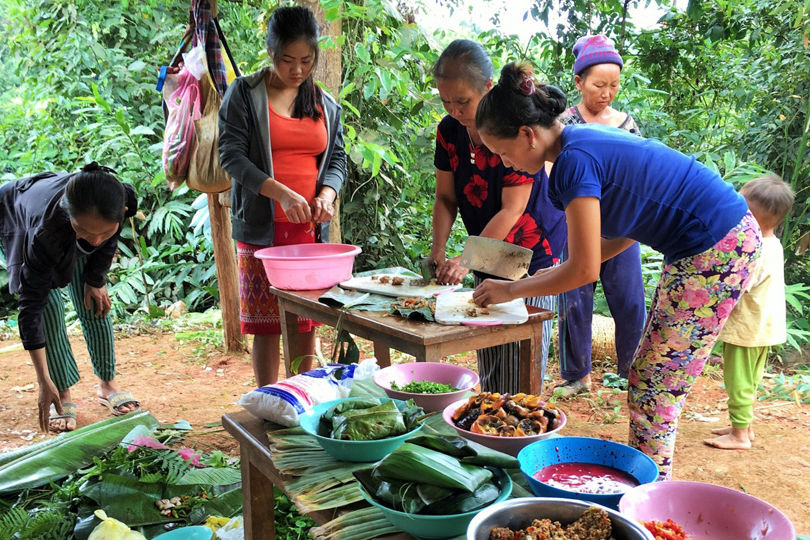
The rural uplands of the Lao People’s Democratic Republic are home to generations of proud family farmers, with many still using traditional farming techniques handed down over the years. Yet, these practices have increasingly struggled to keep up. A joint IFAD-WFP initiative has been helping to improve household diets by strengthening women’s knowledge of nutrition and agriculture.
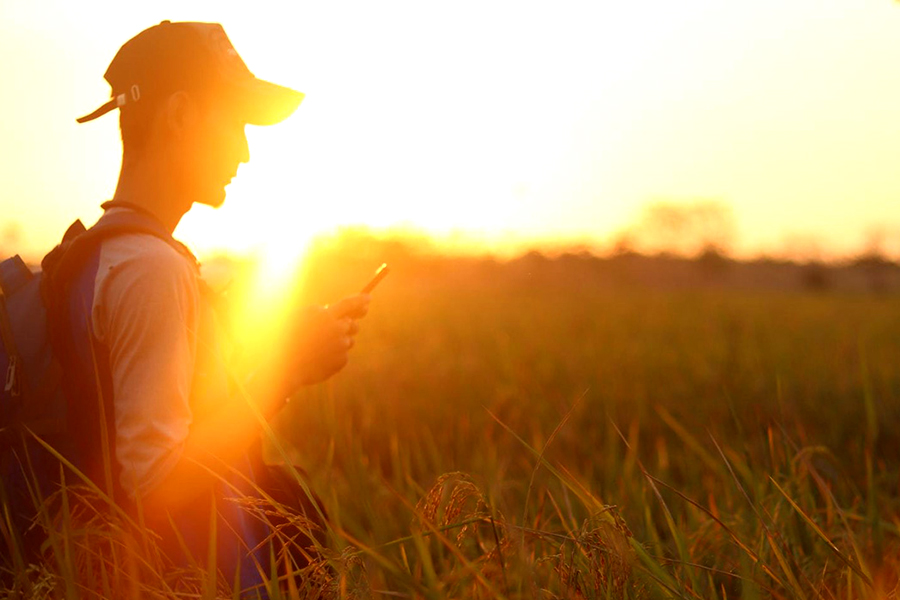
Crises have a way of urging people to develop new tools to help them resist disaster. IFAD-funded projects in north-eastern Brazil, carry on their work by using remote technical assistance to respond to participants’ questions and solve problems. Project staff also realized that the current situation presented an opportunity to gather some much-needed data: consistent data on project performance and the impacts of COVID-19. Due to the preventive measures, surveys were conducted using smartphones.

The IFAD-funded Rural Development Programme in the Mountain Zones in Morocco has empowered the women of Azilal by helping scale-up their saffron business and by providing training.

More people are going hungry, as tens of millions have joined the ranks of the chronically undernourished over the past five years. Globally, 79 per cent of the world’s poorest people live in rural areas, most depending on small-scale agriculture for their income. IFAD's annual report examines the key steps it has taken that will help drive recovery efforts in rural economies in a post-COVID-19 world, as well as address the short-term impacts of the crisis.
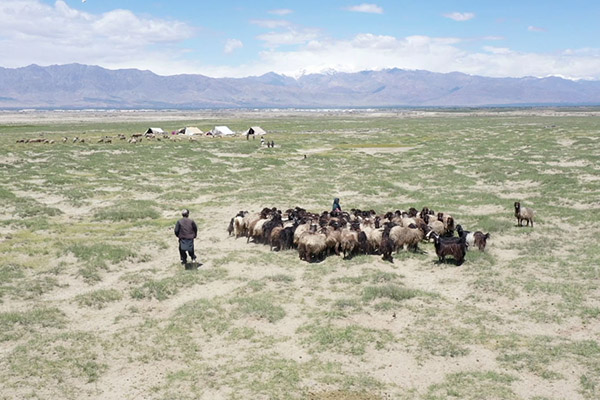
Since COVID-19 hit Afghanistan, it has posed a dreadful dilemma for the Afghan nomads, the Kuchis, get sick or go hungry. IFAD tells the experience of the Kuchis, who normally make a living by herding sheep, goats and camels around the country. Under lockdown, that lifestyle has become very difficult to maintain. For most people, the lockdown measures greatly reduce their exposure to the virus. But for the Kuchis, they pose the danger of blocking their usual trade of livestock and dairy products – and without trade, they have no income and face a shortage of food.
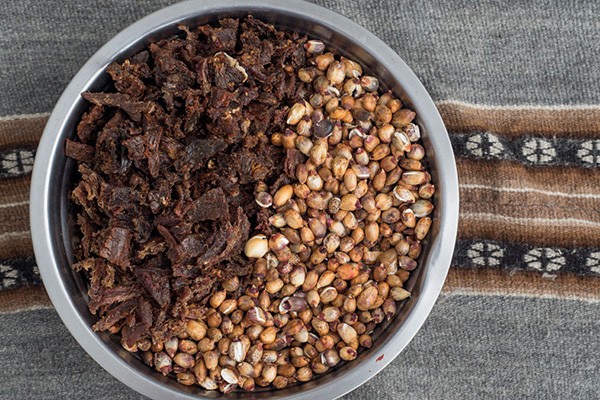
Guadalupe Moller lives in Turco, a small community in rural western Bolivia, near the Chilean border. She’d spent most of her life in La Paz, Bolivia’s capital, but four years ago she moved back to Turco, where her family’s roots are. Now, at 61 years old – and thanks to an IFAD-supported project implemented by the Ministry of Rural Development and Lands – she’s begun a whole new life in the land of her ancestors. She produces charque – crushed and salt-dried llama meat.
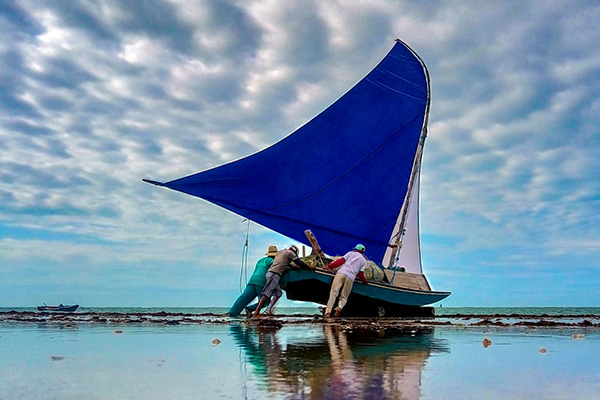
Photo contest shows images from young people across Latin American and Caribbean
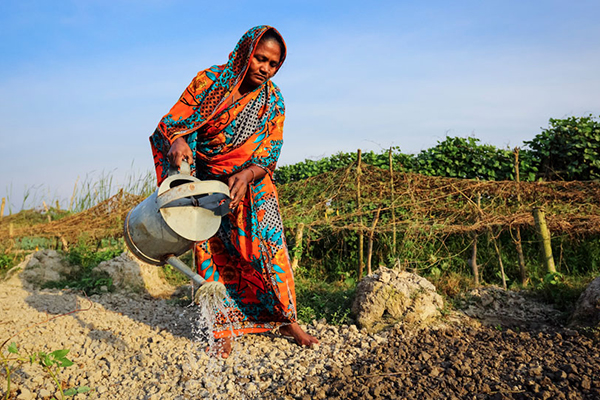
IFAD channels climate and environmental finance to smallholder farmers, helping them to reduce poverty, enhance biodiversity, increase yields and lower greenhouse gas emissions.

Gilbert Houngbo, President of IFAD writes that "in most of Africa, people are more likely to die from starvation caused by the economic fallout from the pandemic than from the disease itself. An additional 23 million people are expected to be pushed into extreme poverty in sub-Saharan Africa this year alone. The COVID-19 pandemic has shown us that our current food production, processing and distribution systems are vulnerable." He says investing in small-scale farmers can help boost food security on the continent.

The African continent looks like it could be the worst hit from the economic fallout of the crisis: 80 million Africans could be pushed into extreme poverty if action is not taken. And disruptions in food systems raise the prospect of more Africans falling into hunger. Rural people, many of whom work on small-scale farms, are particularly vulnerable to the impacts of the crisis. IFAD therefore urges that the COVID-19 response address food security and target the rural poor.

Victoria Muteti, a 44-year old farmer living in Kenya’s Makueni County, has increased her harvest several times over. Luckily, she is able to keep farming during the COVID-19 pandemic, while observing all the necessary social distancing measures, and the extra income she’s made over the last two years has helped her improve her nutrition – along with many other facets of her life. Victoria owes these successes to her participation in an e-voucher initiative implemented by the Government of Kenya and jointly funded with IFAD and the European Union.

Empowering and protecting rural women in the time of coronavirus

Pandemics create both demand and supply shocks in all economic sectors. Although the agricultural sector tends to be more resilient than other sectors, the food system in developing countries can still take a significant hit. And for countries that rely on food imports, a food systems crisis may hit earlier than the effects of the pandemic itself. IFAD deems essential that all interventions to protect food systems and rural producers, link projects and be holistic in design.