Economic Development

Achim looks at food packages with men and women standing next to him. The women wear veils.

“How, in our age, do we overcome this competition between ecology and economy, which is leading us to so many destructive and ultimately, increasingly catastrophic realities around the world?”

Born in Brazil to German parents, Achim Steiner knows first hand the power of cultural exchange to drive international cooperation. Now head of UNDP, he leads global efforts to secure a better future for our planet and its people.

“The clearest lesson from 50 years of modern development thinking is don't try and just pick one aspect and put all your eggs in that basket. Society is complex, development is about choices. And you will either get them right and succeed or you will fall apart.”

In this episode, Achim reflects on the thorniest challenges facing humanity, on his hopes for a fairer, cleaner future, and on the vital lessons he learned in rural Pakistan.

Photo:©UNDP Afghanistan/Oriane Zerah

family holding up SDG goals posters in small shop

We are just six years away from the 2030 deadline to achieve the Sustainable Development Goals (SDGs) and progress is lagging. The 2024 Micro-, Small and Medium-sized Enterprises Day, 27 June, offers an opportunity to exchange ideas on how key stakeholders, including policy makers, large companies, financial institutions, and the international community can support micro-, small and medium-sized businesses (MSMEs), which account for 50% of GDP worldwide, to advance the 2030 Agenda and contribute to achieving the SDGs, including poverty eradication and decent work for all. 

woman with notepad at a dock

Celebrations of the 60th anniversary of UN Trade and Development (UNCTAD) culminate in the Global Leaders Forum from 12 to 14 June. The event unites world leaders to catalyze new development thinking and actions needed to advance prosperity for all in an increasingly diverse and challenging global economy. For six decades, UN Trade and Development has stood as a staunch advocate for developing countries, providing crucial support through cutting-edge research and analysis, technical cooperation, and consensus-building.

UN has sounded an urgent alarm about the soaring global debt crisis, stressing the critical need for immediate action to alleviate its impact on developing nations and foster progress towards sustainable development goals.

Image of a light bulb plugged into the earth with symbols of production sectors coming out of a globe in the middle of it.

As the world struggles with global challenges such as climate change, health crises, food insecurity and human displacement, knowledge integration has become crucial. The statistical, data science, geospatial, and modeling sectors are tasked with providing integrated knowledge to shed light on these problems. The aim of the 8th International Conference on Big Data (Bilbao, Spain; 10 -14 June) is to address these emerging issues and share knowledge by collaborating with partners across sectors to inform climate change and sustainable development policies with integrated data.

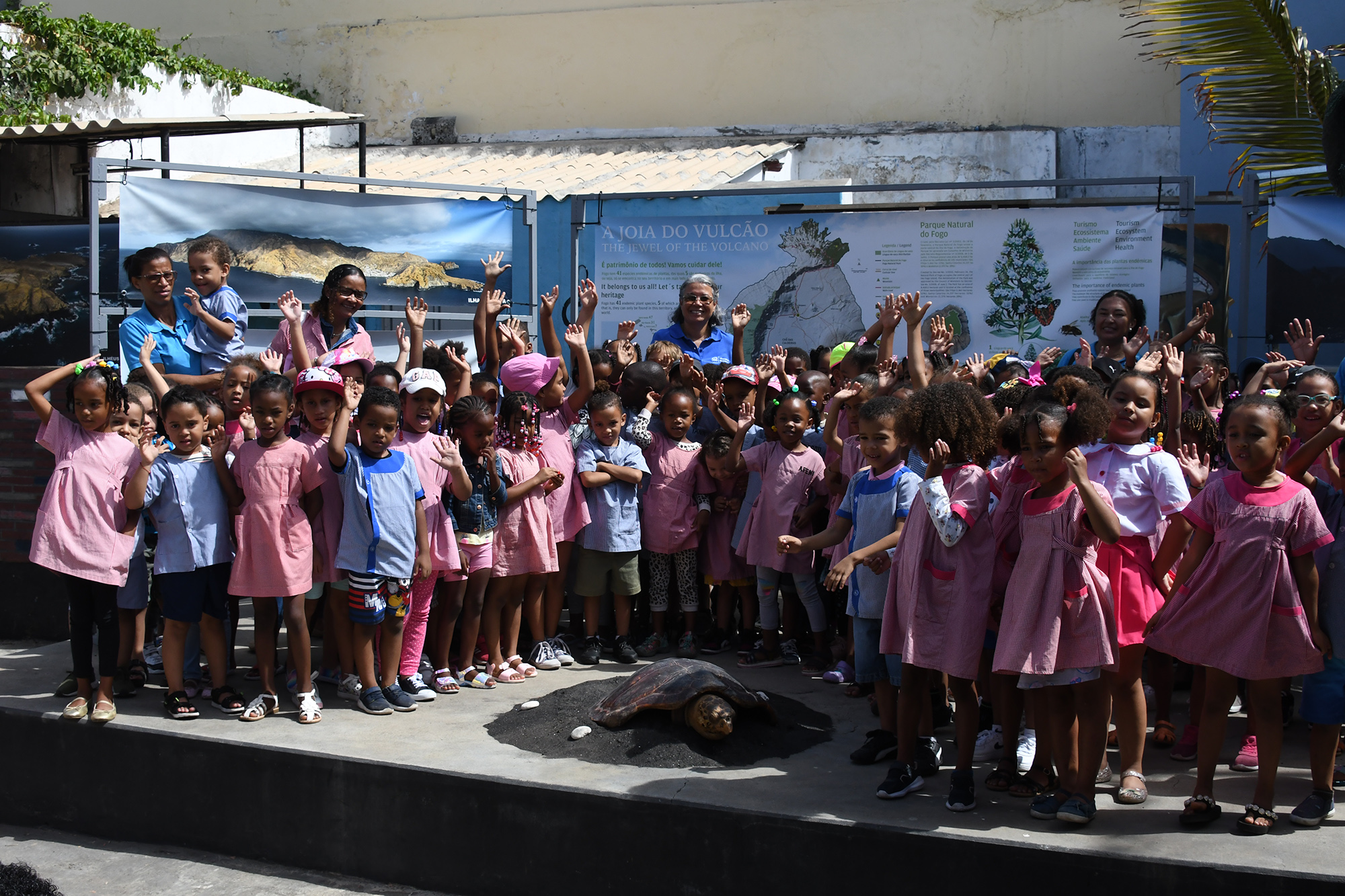
After a volcanic eruption in 2014, the community of Chã das Caldeiras has recovered and now lives in the village and works in agriculture and tourism.

Cabo Verde is a Small Island Developing State consisting of ten volcanic islands with a population of just over half a million people. Fogo, the youngest and most volcanically active island, is home to the Pico do Fogo volcano, which erupted most recently in November 2014, forcing the evacuation of 964 residents. The community of Chã das Caldeiras, located inside the volcano crater, was buried by lava. Despite this, the resilient community has bounced back, with around 500 people now living in the village and working in agriculture and tourism as part of Fogo Natural Park.

UN Global supply chain forum 2024

The inaugural United Nations Global Supply Chain Forum, hosted by UNCTAD and Barbados convened over 1,000 participants to address escalating disruptions in global supply chains.

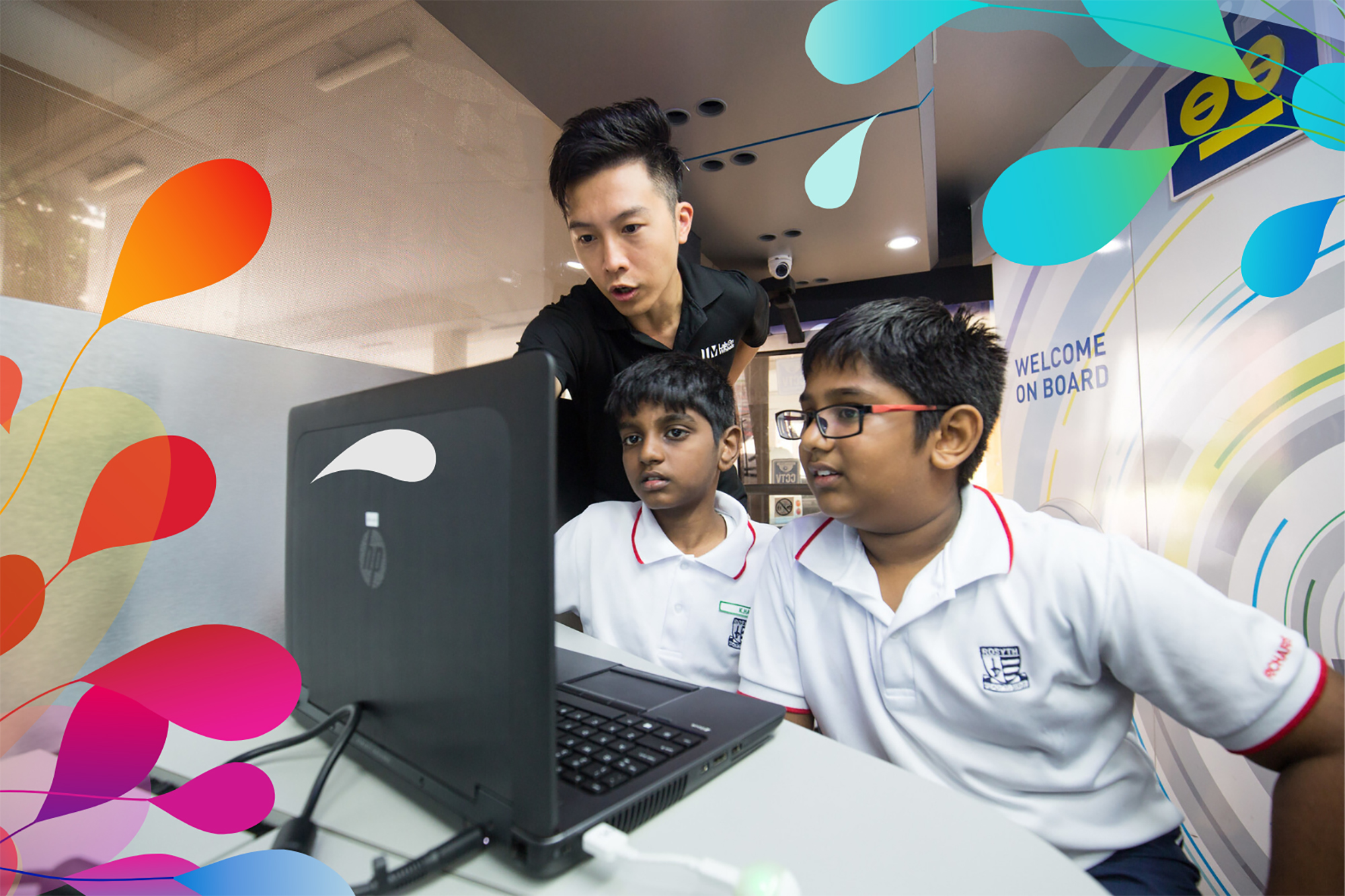
Lab on Wheels, Singapore.

From fighting climate change to eliminating hunger and poverty, digital technologies can help achieve 70% of targets under the UN Sustainable Development Goals. World Telecommunication and Information Society Day (17 May) is an opportunity to explore how digital innovation can unlock sustainable prosperity for all. However, with 2.6 billion people still unconnected, many countries struggle to keep up with today's fast-changing digital landscape. This year’s observance reminds the world of the progress yet to be made to ensure that everyone can benefit from digital technologies.

Kenyan women in savings groups spearhead economic empowerment, transforming lives and challenging traditional norms.

Fall armyworm over the leaf of a plant

The International Day of Plant Health  (13 May) urges collective efforts to preserve plant health and ensure food safety and safe trade for sustainable economies. Each year, millions of containers carry plant products and wood packaging materials between countries, facilitating pest transmission. Invasive pests cause global economic losses of around USD 220 billion annually. To protect global plant health, adherence to the International Standards for Phytosanitary Measures, and innovations like the electronic phytosanitary certificate, ePhyto, improve trade efficiency and security.

Understanding and harnessing AI potential is increasingly important for achieving the Sustainable Development Goals.

Artificial Intelligence (AI) is transforming various sectors and industries worldwide. Understanding and harnessing its potential is increasingly important for achieving the Sustainable Development Goals (SDGs). For this reason, the Economic and Social Council holds today a Special Meeting to explore ways to use AI to achieve the Sustainable Development Goals. The encounter aims to examine governance frameworks for deploying AI ethically and responsibly, showcase examples of AI's successful utilization, and facilitate collaboration among stakeholders to leverage AI for sustainable development.

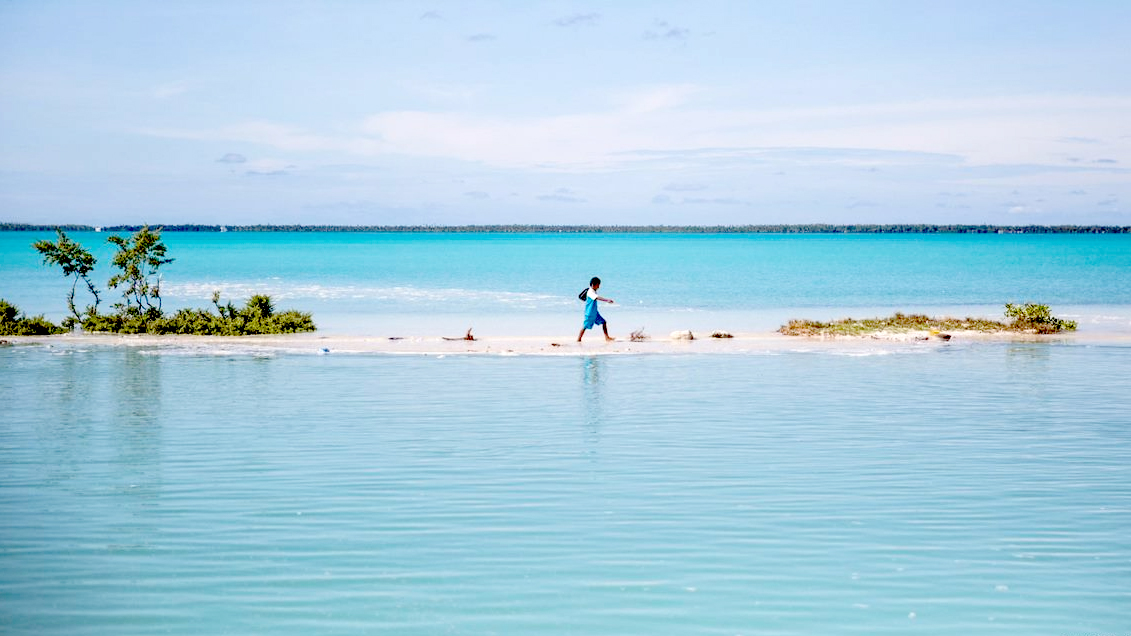
A boy walks along a sandbar.

Small Island Developing States (SIDS) are facing a convergence of crises including the economic fallout of COVID-19, particularly devastating for those countries reliant on tourism, and climate change, which exacerbates their vulnerability despite their minimal contribution to it. These challenges have depleted their finances and impeded progress towards achieving the Sustainable Development Goals. In response, the international community is gathering in Antigua and Barbuda (27-30 May) to craft new partnerships and solutions to enhance their resilience and prosperity over the next decade.

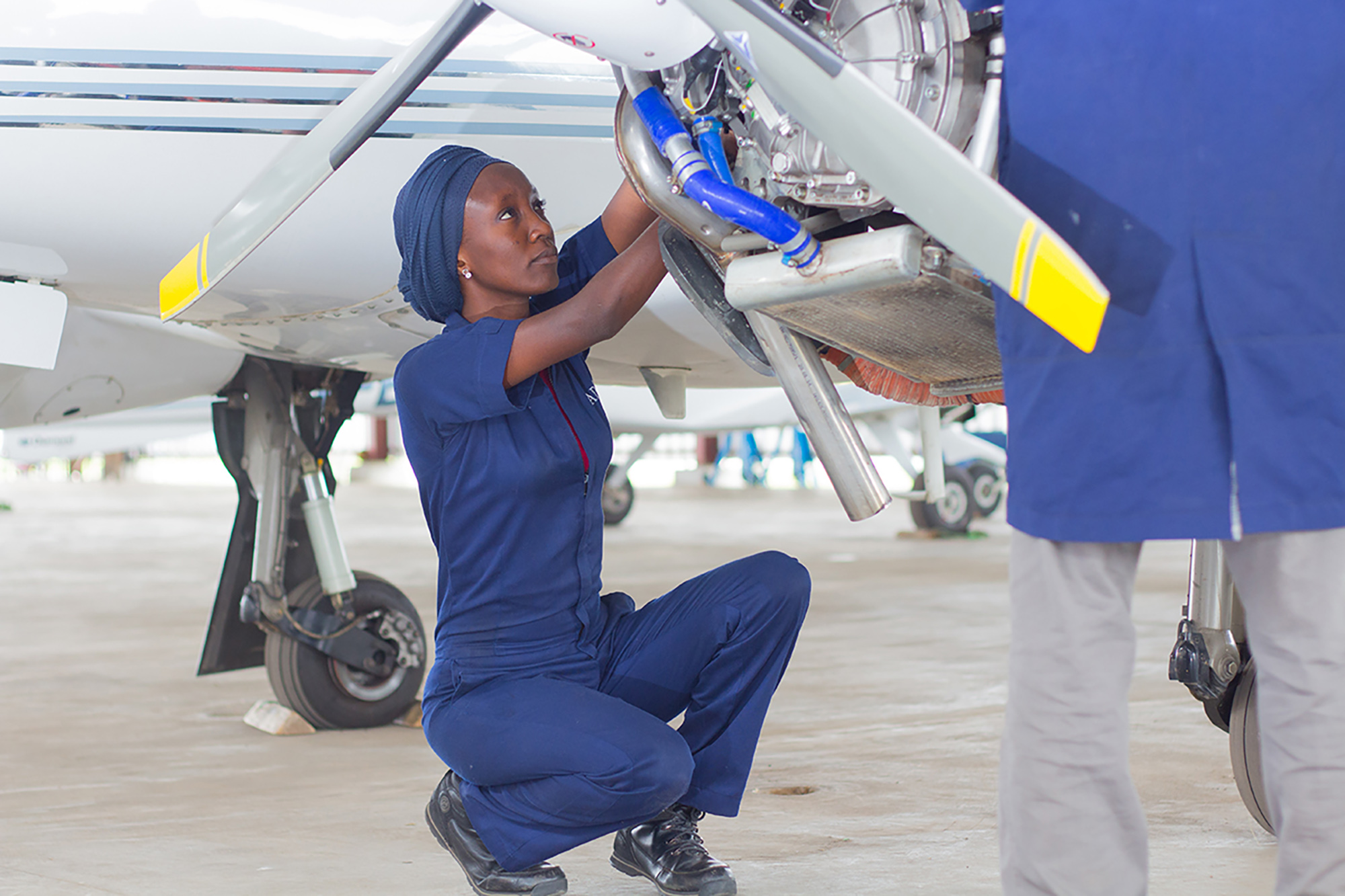
A woman in a blue uniform is fixing a plane.

Skills and lifelong learning are essential for economies to prosper and for individuals to thrive and have access to decent work. Organized by the International Labour Organization, the Global Skills Forum is an opportunity for participants to lay out their visions for skills and lifelong learning and to advocate for the promotion of quality education and the pursuit of these goals through the lens of social justice. The event (April 23-24) will bring together representatives from around the world to discuss how to shape skills development as our economies and societies continue to evolve.

Despite record levels in 2022, the $4 billion drop in Official Development Assistance for developing countries underscores a critical gap in meeting Sustainable Development Goal 17 targets, particularly affecting the world's least developed nations.

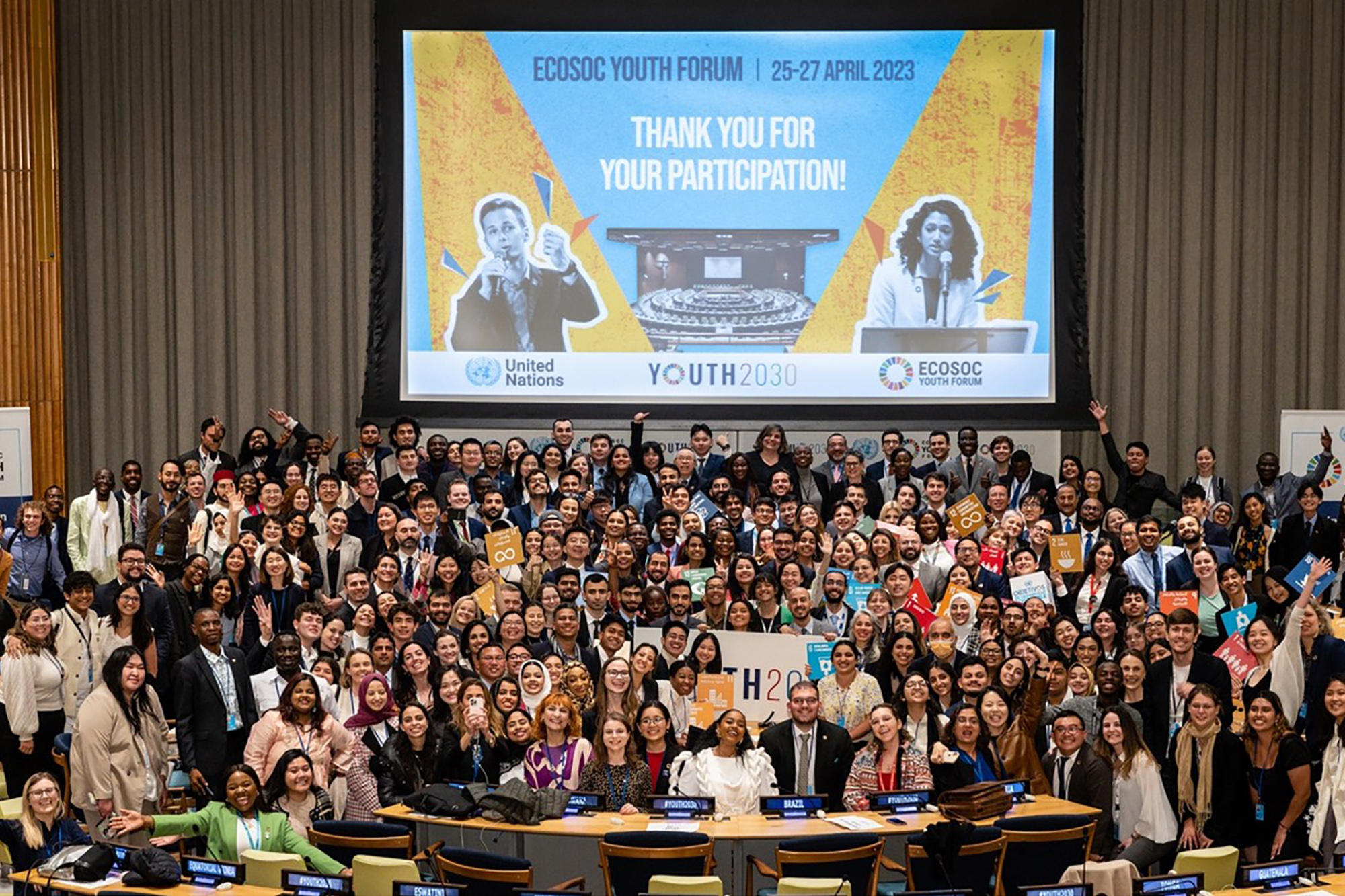
Young leaders from around the world at the ECOSOC Youth Forum 2023.

The ECOSOC Youth Forum, the largest annual gathering of young people under the UN banner convened at the United Nations from April 16th to 18th. This year’s forum echoed the theme of the 2024 High-level Political Forum: "Reinforcing the 2030 Agenda and eradicating poverty in times of multiple crises: the effective delivery of sustainable, resilient, and innovative solutions." The three-day event featured plenary sessions, interactive thematic and regionally based discussions, and discussions on innovative solutions for young people in the implementation of the 2030 Agenda.