UNESCO

UNESCO proclaimed 17 October as the International Day of the Intangible Cultural Heritage, inviting States Parties and stakeholders to celebrate and showcase the richness of living heritage.

This inaugural edition encouraged awareness and action to safeguard diverse cultural traditions for future generations.

Despite progress, 122 million girls remain out of school, inspiring a video for the 2024 International Day of the Girl.

A group of young Chinese musicians playing at UN Headquarters.

Intangible cultural heritage plays a crucial role in preserving cultural diversity in the face of numerous challenges including globalization. It includes practices, expressions, knowledge, and skills passed down through generations. This heritage fosters a sense of identity, facilitates intercultural dialogue, and promotes social cohesion. For the first International Day of the Intangible Cultural Heritage States Parties and stakeholders are encouraged to organize events to showcase and safeguard their living heritage.

To protect and restore mangroves, one of the planet's most crucial ecosystems, UNESCO launched the MangRes Project in September 2022. Since then, significant progress has been made through collaboration among biosphere reserves, government representatives, and scientists across 7 biosphere reserves in Latin America and the Caribbean. These efforts have focused on gathering data to establish a solid baseline for successful mangrove restoration. The project has also strengthened partnerships with universities and scientific institutions, offering opportunities for young scientists to contribute to mangrove conservation.

Supported by the Government of Flanders (Belgium) and the Spanish National Parks Agency.

The overall long-term strategic objective of the The General History of Africa programme is to promote inclusive African societies which are just, democratic, respectful of human rights and the rule of law. See more information on UNESCO's work in Africa.

meeting of World Heritage Committee

The UNESCO committee inscribed 26 new properties, bringing the total number to 1223, in 168 countries. These properties benefit from the highest level of heritage protection in the world.

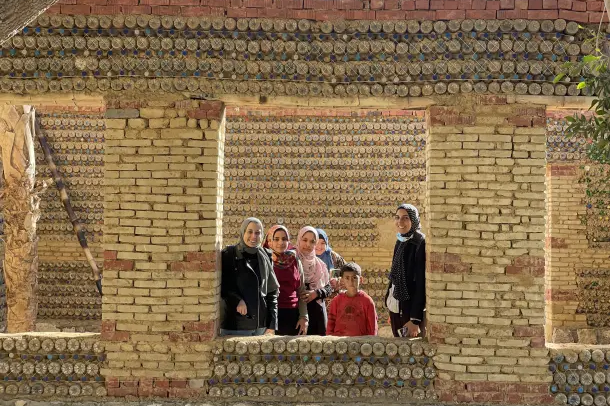
BENAA Foundation empowers youth and communities in Egypt through sustainable projects like the eco-classroom built with plastic bottles and clay, fostering environmental awareness and education.

UNESCO's “Support for Ukrainian Refugees through Media” project has improved refugees' access to reliable information and fostered understanding between refugees and host populations. 

group of young people at a bowling alley

To mark the Paris 2024 Olympic and Paralympic Games, UNESCO is celebrating sport's role in promoting equality, dignity, and dialogue through a series of portraits and programmes. The "Change the Game" Partners’ Forum will be held at UNESCO headquarters in Paris on 23 July, followed by a Ministerial Forum on 24 July. The events will bring together ministers, sports organizations, elite athletes, private sector leaders, investors, social entrepreneurs, and other stakeholders to discuss the transformative power of sport for sustainable development.

The Paris 2024 Olympic Torch Relay will visit approximately 30 UNESCO World Heritage sites, concluding its journey in Paris on July 26 with an opening ceremony at a UNESCO site for the first time in Olympic history.

Esteban Gottfried Burgett, Associate Programme Officer for Ocean Literacy at UNESCO-IOC, sheds light on these lesser-known oceanic benefits and its impact in our daily lives.

children sitting on floor in class

There are 250 million girls and boys currently excluded from access to education. A new UNESCO report reveals that the costs to society add up to $10 billion a year globally. The report estimates that reducing the proportion of school dropouts or those without basic skills by just 10% would increase annual GDP growth by 1 to 2 percentage points. Education therefore appears to be one of the best investments a country can make. To achieve the goal of quality education for all, the UNESCO report provides 10 recommendations, including providing free, publicly-funded primary and secondary education, smaller class sizes, and qualified, motivated teachers.

UNESCO, OECD, and the Commonwealth Secretariat's inaugural global report aims to quantify the economic ramifications of widespread educational exclusion among children and youth globally.

Safeguarding Holocaust history from AI distortions and misinformation is imperative, as UNESCO warns of potential antisemitic consequences without ethical integration of AI principles.

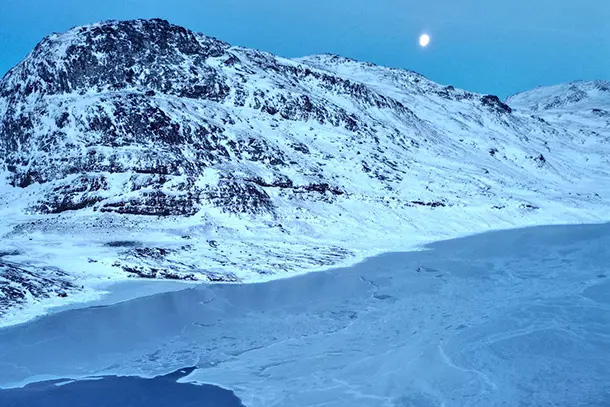
In the isolated expanse of the Arctic, amidst freezing sea ice and dwindling daylight, a sailor's reflections reveal the intricate dance of survival, adaptation, and changing landscapes in the face of climate shifts and cultural narratives.